
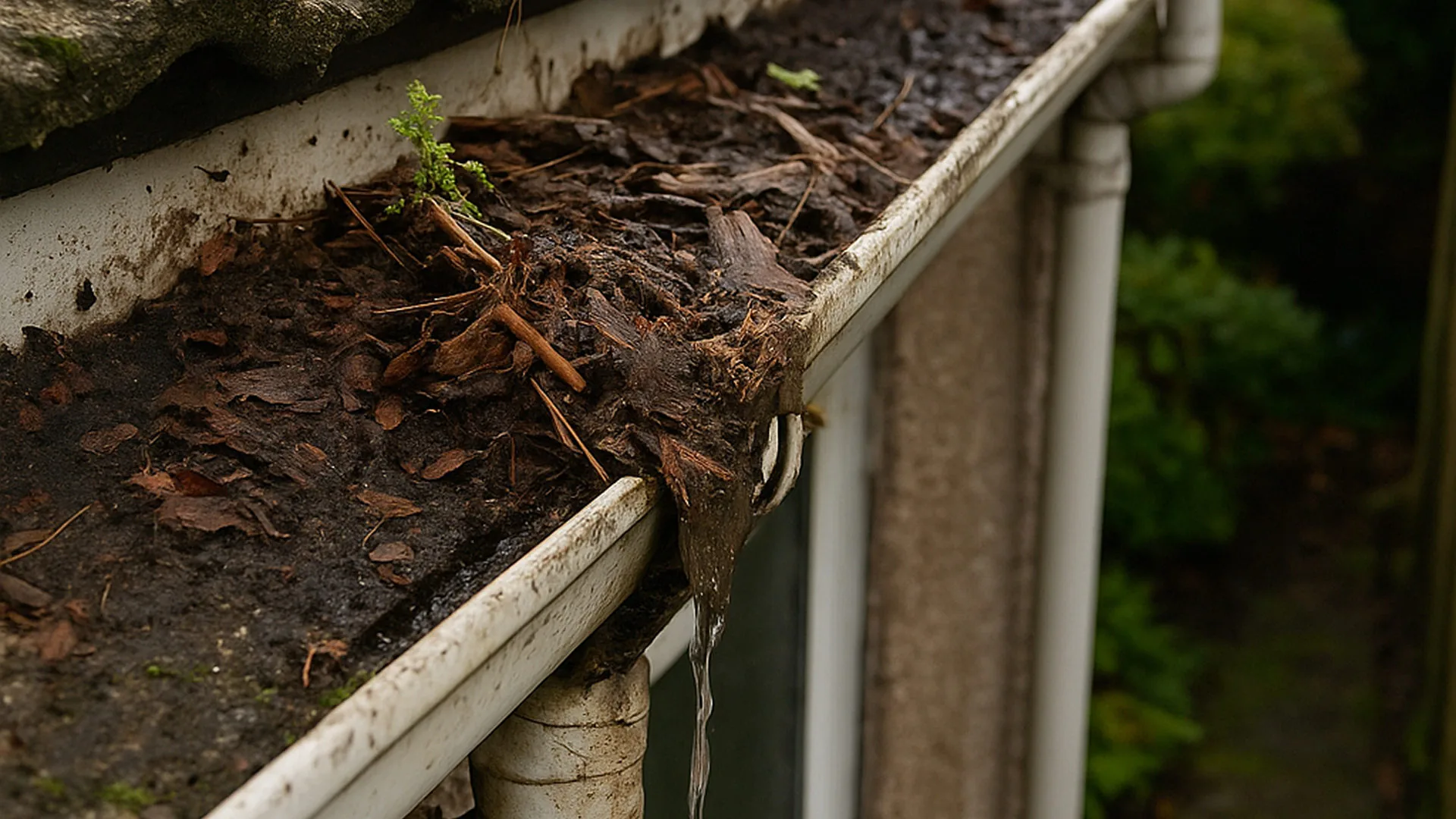
Gutter Cleaning
How Often Should You Really Clean Your Gutters in the Sacramento Area?
The standard advice is twice a year, but Sacramento's tree cover and rainfall pattern can change that math. Here's how to actually figure out your schedule.
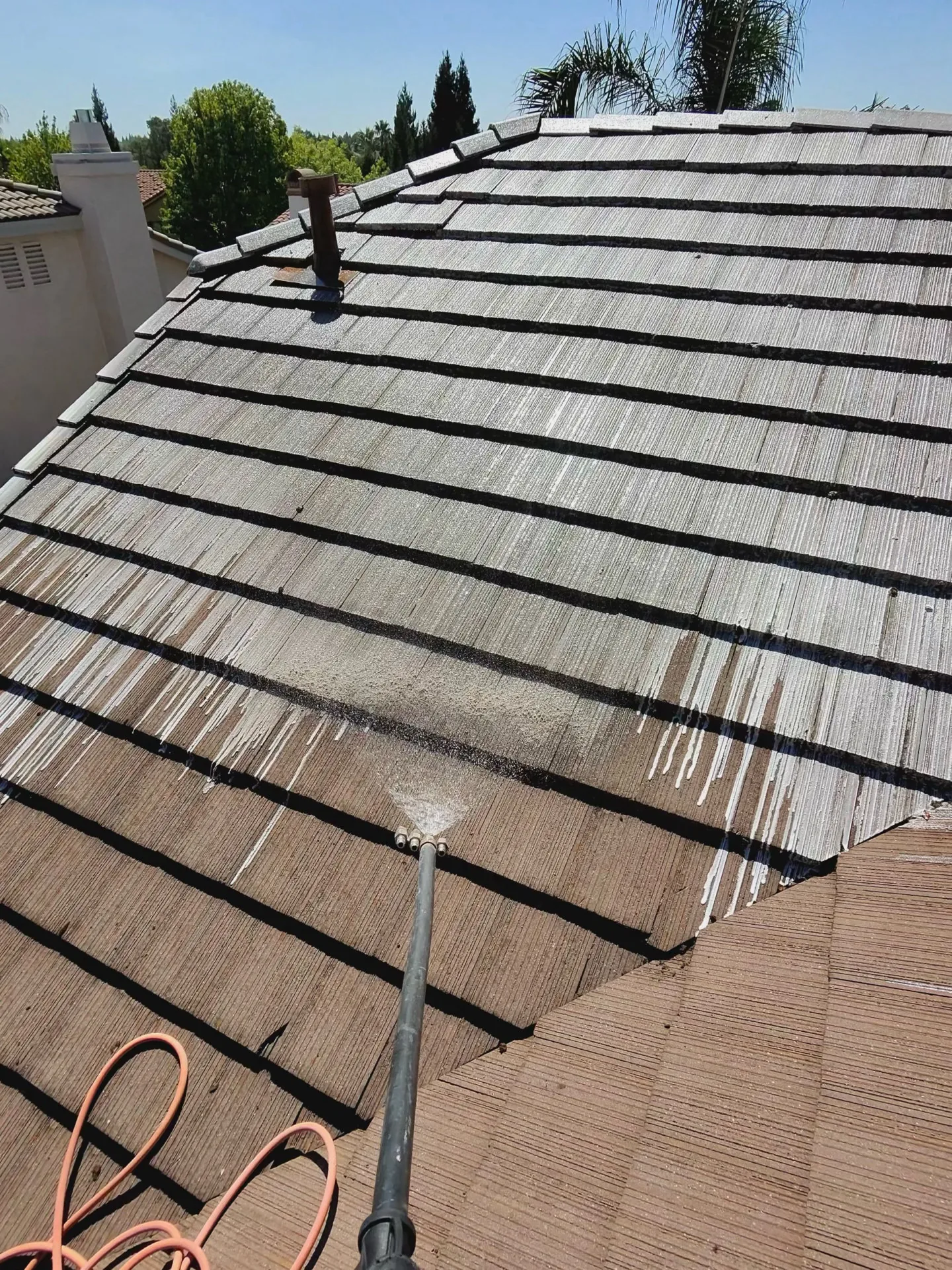
Concrete driveways, brick walkways, and most exterior hardscapes handle higher pressure well and are usually the safest place to start. Stains from oil, moss, and general grime lift easily on these tougher surfaces.
Vinyl and fiber cement siding can also generally take a moderate amount of pressure, as long as the wand stays at a reasonable distance and angle.
Roof shingles, older or painted wood siding, and stucco are all easy to damage with straight pressure washing. These surfaces call for a soft wash approach: lower pressure combined with the right cleaning solution to lift dirt and organic growth without stripping material or forcing water behind seams.
Older mortar joints on brick and delicate window seals are also worth treating carefully, since high pressure can wear away material that took decades to age properly.
A lot of pressure washing damage comes down to using one setting for every job. The nozzle, pressure level, and distance from the surface all need to change depending on what you're cleaning.
If you're not sure whether a surface can handle full pressure, it's worth asking before starting. It's a lot cheaper to ask the question than to repair the result of guessing wrong.
Gutter Cleaning
The standard advice is twice a year, but Sacramento's tree cover and rainfall pattern can change that math. Here's how to actually figure out your schedule.
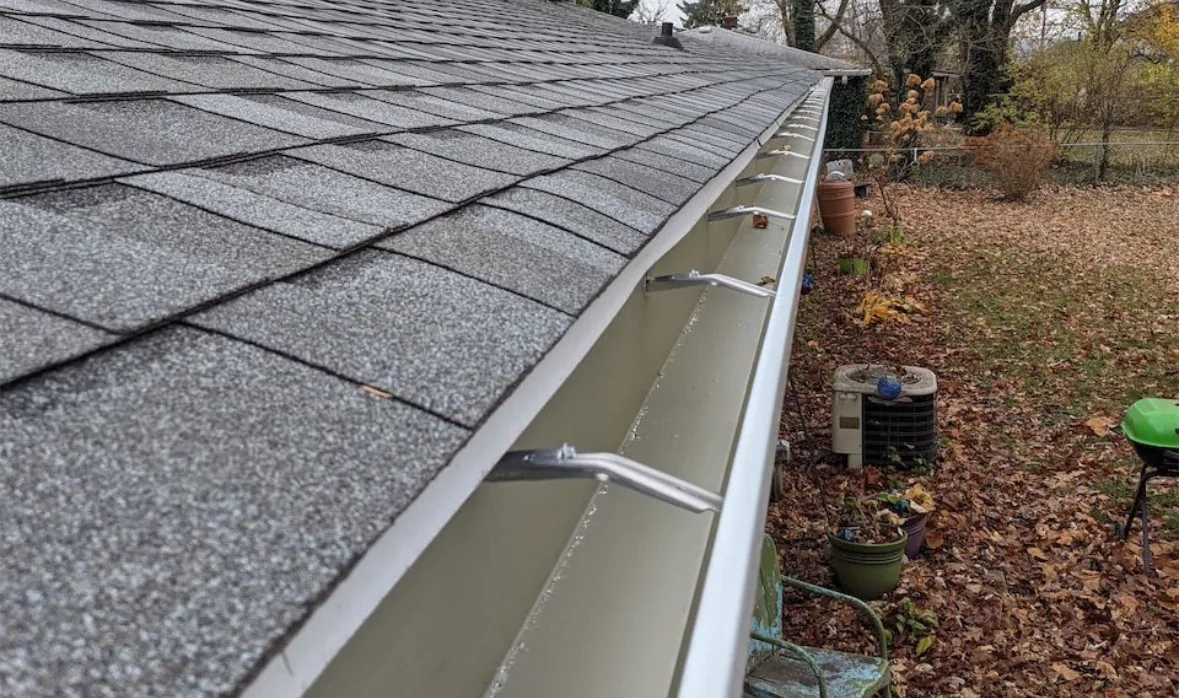
Gutter Maintenance
Gutters rarely fail without warning. These are the signs worth catching early, before a small problem turns into water damage.
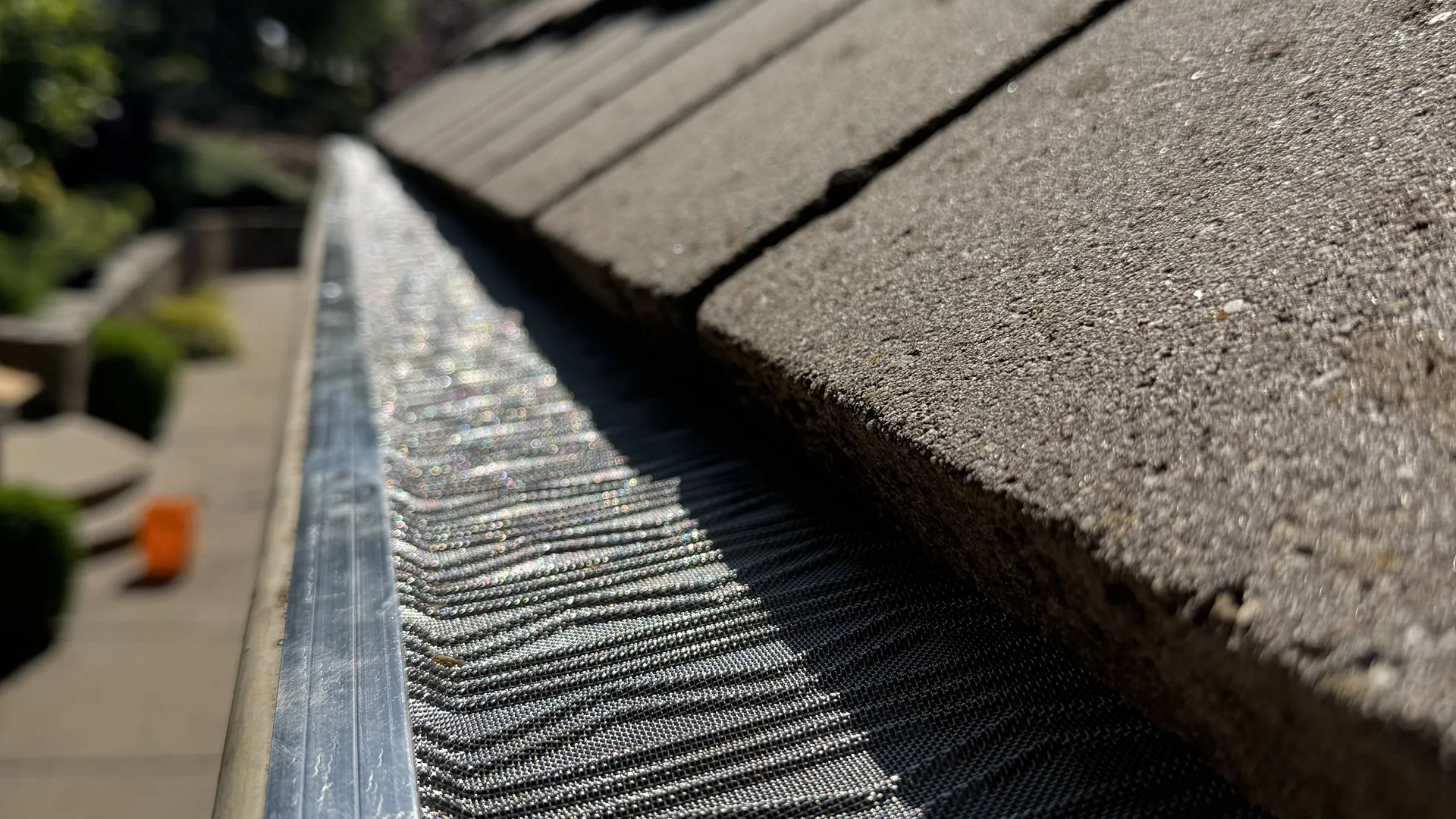
Gutter Guards
Gutter guards aren't magic, but the right kind can genuinely cut down on maintenance. Here's what they actually do, and don't do.
Free inspection, firm price