Sacramento’s straightforward exterior-care team
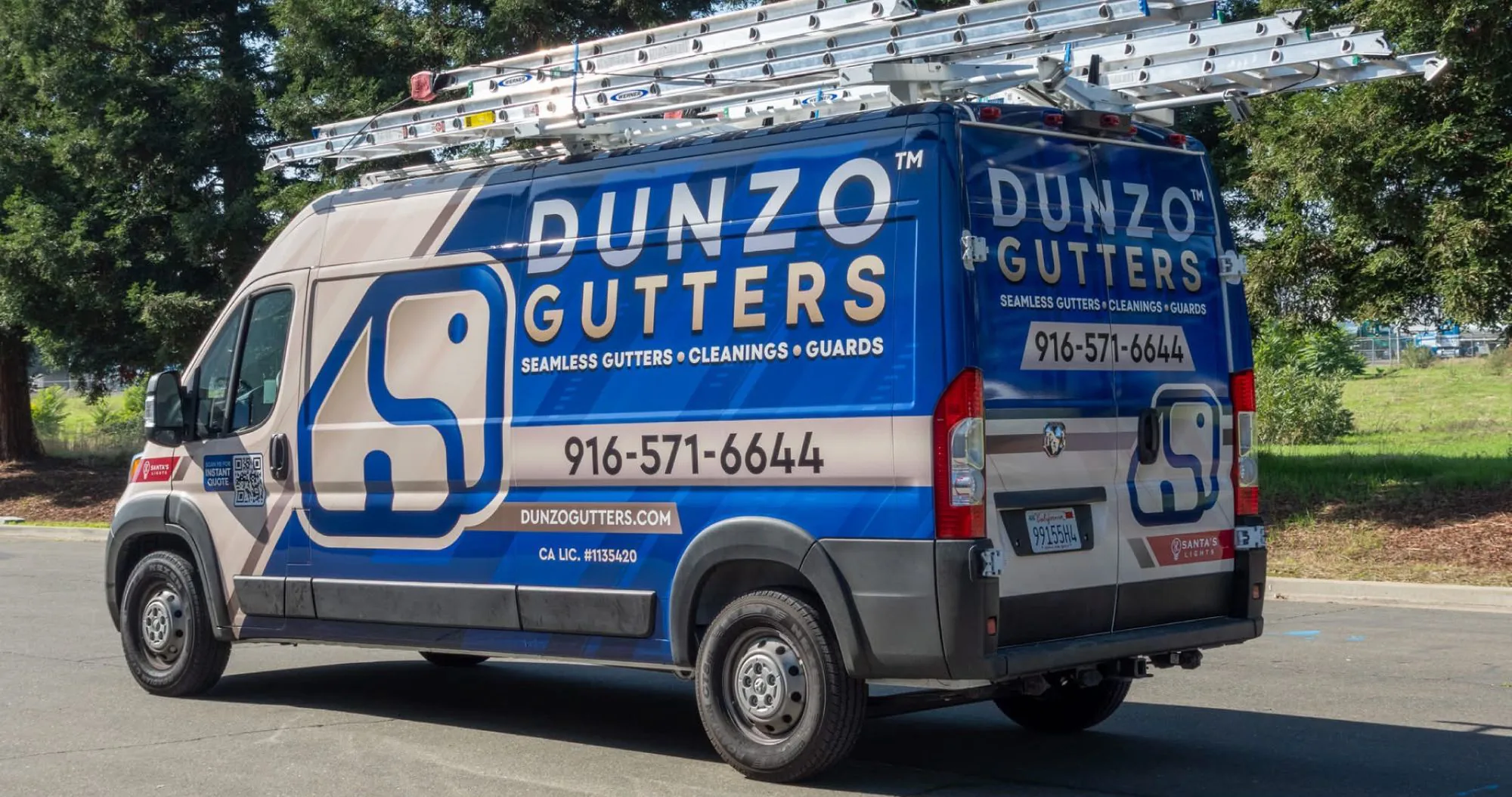
The Dunzo Gutters service van, fully equipped with ladders and ready to roll for the Sacramento rainy season

If you've lived in the Sacramento area through a few winters, you've heard meteorologists say "atmospheric river" more times than you can count. It's not just weather-forecaster jargon. It's the specific mechanism behind most of the region's serious winter rain, and understanding it is the difference between reacting to a storm and actually being ready for one.

What an atmospheric river actually is

According to NOAA, an atmospheric river is a relatively long, narrow region in the atmosphere that carries most of the water vapor moving outside the tropics, essentially a river in the sky. A typical one carries roughly as much water vapor as the average flow at the mouth of the Mississippi River. The strongest ones can carry up to 15 times that.

Most atmospheric rivers are weak and simply deliver the beneficial rain and mountain snow the region depends on. The strongest ones are a different story: when they stall over a watershed, they can drop extreme rainfall in a short window, which is when flooding, mudslides, and the kind of roofline damage this blog covers tend to show up all at once.

Why the Sacramento Valley is squarely in the path

Atmospheric rivers form over the Pacific and track east, and the Sacramento Valley sits directly downstream of a storm track that funnels them toward Northern California. The National Weather Service's Sacramento office tracks these systems through the winter and issues advance warnings, since forecasters can often flag a strong one five to seven days out.

That lead time matters. A storm you know is coming five days out is one you can actually prepare for, clearing gutters, checking the roof, confirming drainage, rather than scrambling once the rain has already started.

What a strong one actually does to a home

The flood and mudslide risk from the strongest storms gets most of the headlines, but the more common, quieter damage happens at the home level, especially to systems that weren't ready for the volume, often the same early warning signs covered in 5 Warning Signs Your Gutters Are About to Fail.

SystemWhat a strong storm exposesWhy it matters
GuttersAny existing clog becomes an overflow point immediatelySee The Hidden Cost of Ignoring a Clogged Gutter for how that cascades
Roof valleysDebris that was manageable in light rain becomes a damWater backs up under shingles instead of running off
DownspoutsVolume that a clogged or undersized downspout can't move fast enoughOverflow lands right at the foundation
Fascia and soffitsSustained saturation over days, not just one heavy hourWood that was already softening fails faster under prolonged exposure

Know a strong storm is coming?

Get a free inspection before it arrives, not after.

Get a free inspection

Last winter was a reminder of how active this can get

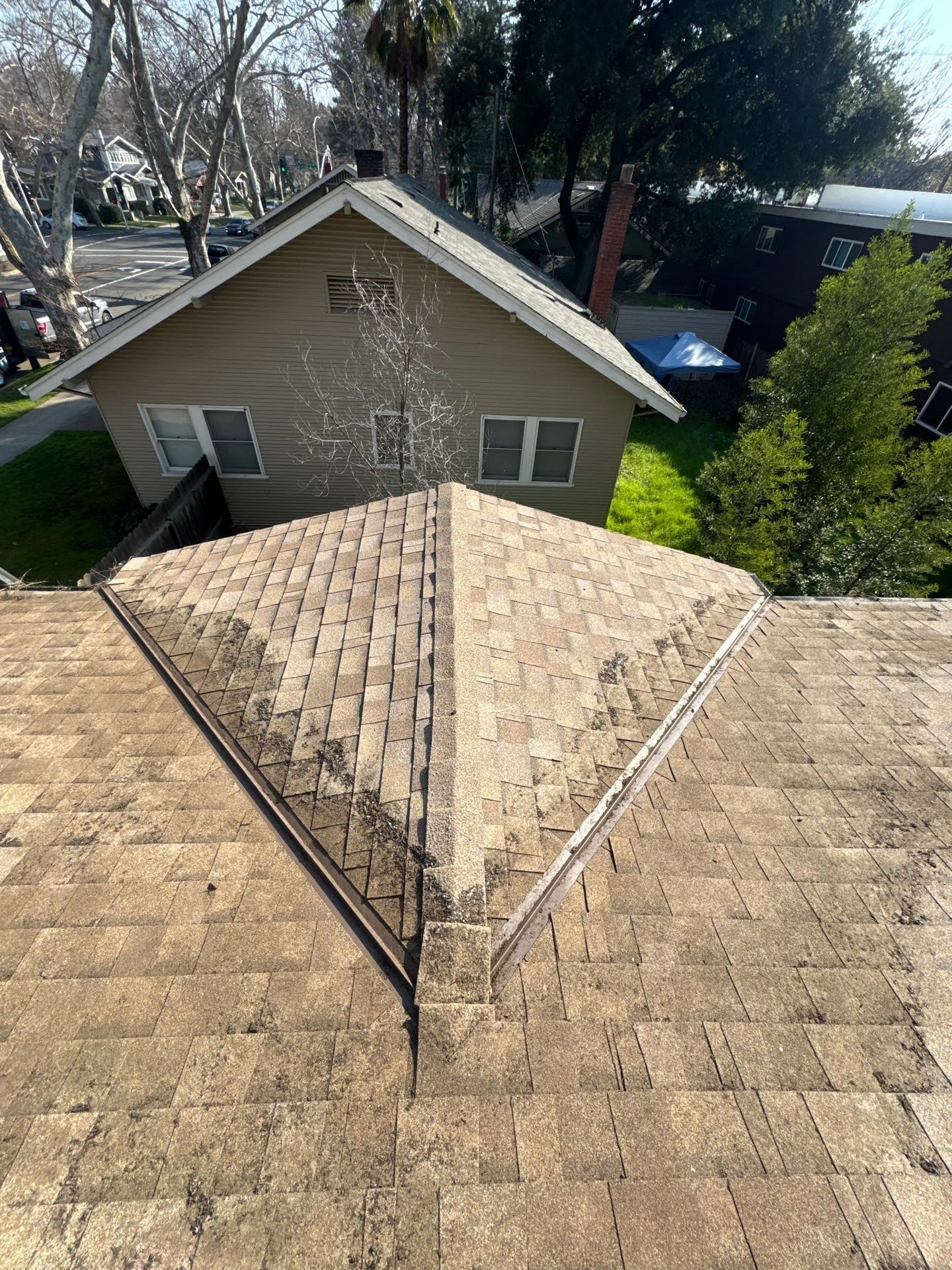
The same Sacramento roof valley cleared of debris after a Dunzo Gutters roof cleaning

The 2025-26 winter saw a genuinely active stretch of Pacific storm activity move through California, part of a broader pattern that research centers like UC San Diego's Center for Western Weather and Water Extremes track season over season specifically because of how much of the West Coast's water supply and flood risk rides on a handful of these events each year.

The exact storm count varies year to year, and no one can predict months out exactly how many will hit the Sacramento Valley specifically. What's consistent is the pattern itself: a wet season concentrated into a relatively short stretch of months, with the strongest individual storms doing most of the damage. That's exactly why prep timing matters more here than in a climate with steady, spread-out rainfall.

The prep that actually matters before each one

We cover the full seasonal checklist in Getting Your Home Ready Before the First Winter Storm. The short version, specific to what a strong atmospheric river actually tests:

  • Gutters and downspouts fully clear, not just visually tidy, since a strong storm exposes any debris still hiding in a downspout
  • Roof valleys checked for debris that could dam up under sustained rain
  • Downspout discharge confirmed to carry water well away from the foundation, since this is exactly when undersized drainage gets tested
  • Any existing sag, gap, or soft fascia addressed beforehand, since prolonged saturation is harder on a system that's already compromised

See current gutter cleaning pricing before the next atmospheric river arrives.

View pricing

Watching the forecast like it actually matters

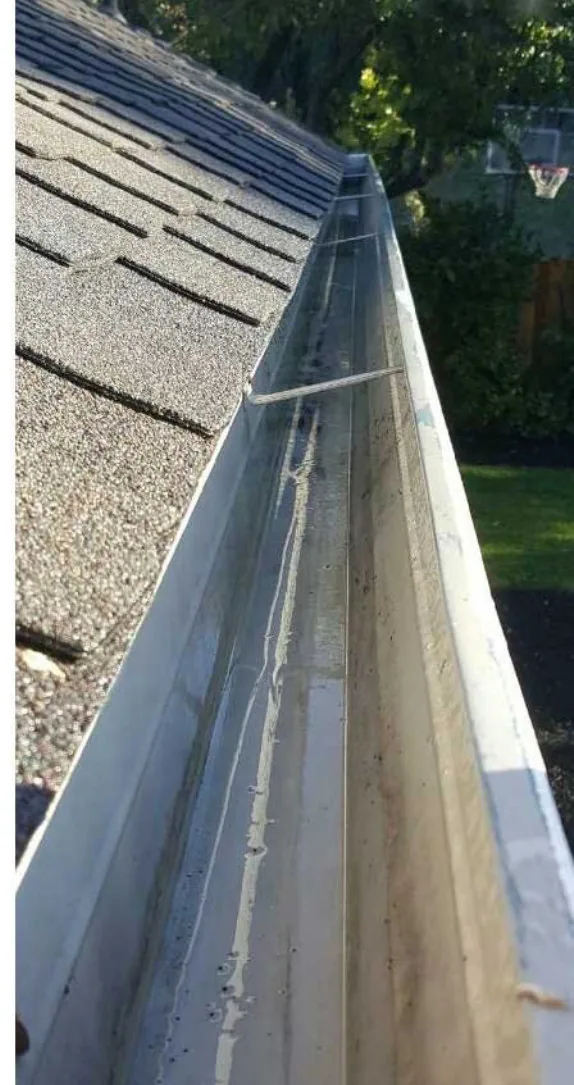
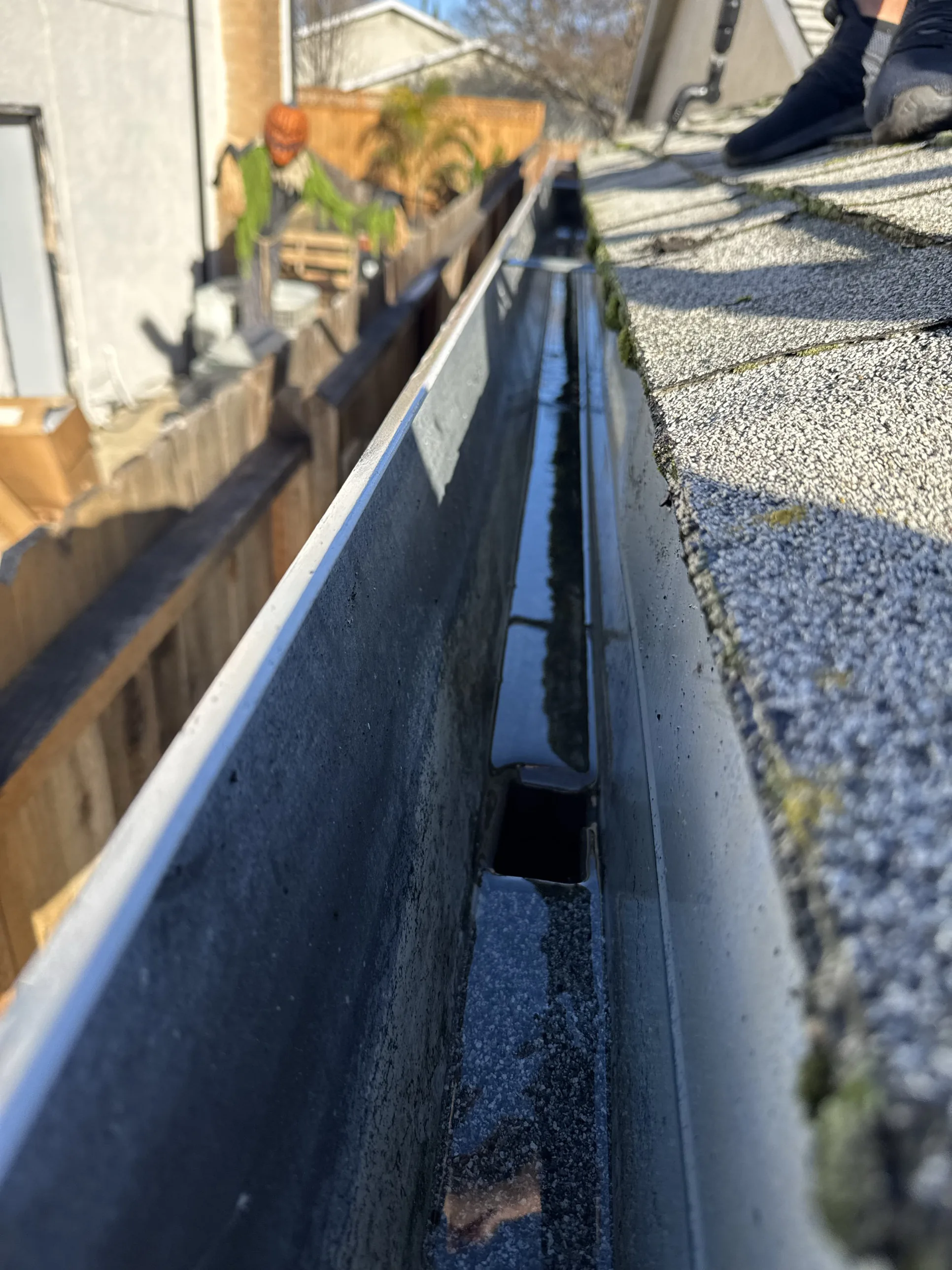
The same gutter clear and draining after a Dunzo Gutters cleaning

Once a storm is in the five-to-seven-day forecast window, that's the practical cutoff for getting exterior prep done comfortably. Waiting until the day before means competing with every other homeowner who had the same idea, and working on a roof in the rain is both riskier and less effective than doing it on a dry day beforehand.

If you're not sure whether your home is actually ready, that's exactly what a free inspection answers directly, rather than guessing from the ground.

Don't wait for the forecast to force the issue

Get your home checked now, while the schedule is still open.

Get a free quote

What strong vs. weak atmospheric rivers mean for your prep

Not every atmospheric river deserves the same level of urgency, and treating a light one like a major event wastes effort you'd rather save for when it actually matters.

StrengthWhat it typically deliversPrep urgency
WeakLight, beneficial rain over a day or twoRoutine, nothing extra needed if gutters are already clear
ModerateSteady rain, some localized pondingConfirm downspouts and valleys are clear beforehand
StrongHeavy, sustained rain, flood and mudslide risk in vulnerable areasFull exterior check beforehand, not during the storm

If a storm is already overhead, here's what actually helps

Sometimes the forecast window closes faster than expected, or a storm intensifies more than predicted. If rain has already started and prep wasn't finished beforehand, a few things still matter, even if the ideal window has passed.

  • Stay off the roof and ladders once rain has started. Wet surfaces turn a routine gutter check into a genuine fall risk, and no cleaning is worth that trade
  • Watch for water tracking down an exterior wall or pooling at a specific spot along the foundation. That's usually a sign of a blocked downspout or overflow point worth noting for a post-storm inspection
  • If water is visibly backing up over a gutter edge during the storm, that section is clogged right now. It's not something to fix mid-storm, but it tells you exactly where to start once the rain clears
  • After the storm passes, that's the time for a full check, not during it. A system that held up fine in a weak storm can still reveal a weak point once a strong one tests it properly

Frequently asked questions

Questions we hear most as the rainy season ramps up.

  • Is an atmospheric river the same thing as a regular storm? Not exactly. It's a specific moisture-transport pattern that can fuel a storm, and the strongest ones carry far more water vapor than a typical winter system, which is why they produce such concentrated rainfall.
  • How much warning do we usually get? Forecasters can often identify a strong atmospheric river five to seven days before it arrives, which is enough time to get gutters cleared and a roof checked if you act on it.
  • Does Sacramento get these every winter? Yes, to varying degrees. Some winters bring an active, closely spaced series of storms; others are quieter. The pattern itself, a handful of concentrated events driving most of the season's rain, is consistent even when the exact count isn't.
  • Should I wait until a storm is forecast to book a cleaning? It's better to get ahead of the season entirely if you can, since contractor schedules fill up fast once a strong storm shows up in the forecast.
  • Does this affect roof cleaning timing too? Yes. Moss and debris that are manageable in light rain can dam up under a strong, sustained storm, which is part of why fall roof and gutter prep are usually scheduled together.

Free inspection, firm price

Ready to get this handled instead of just reading about it?