
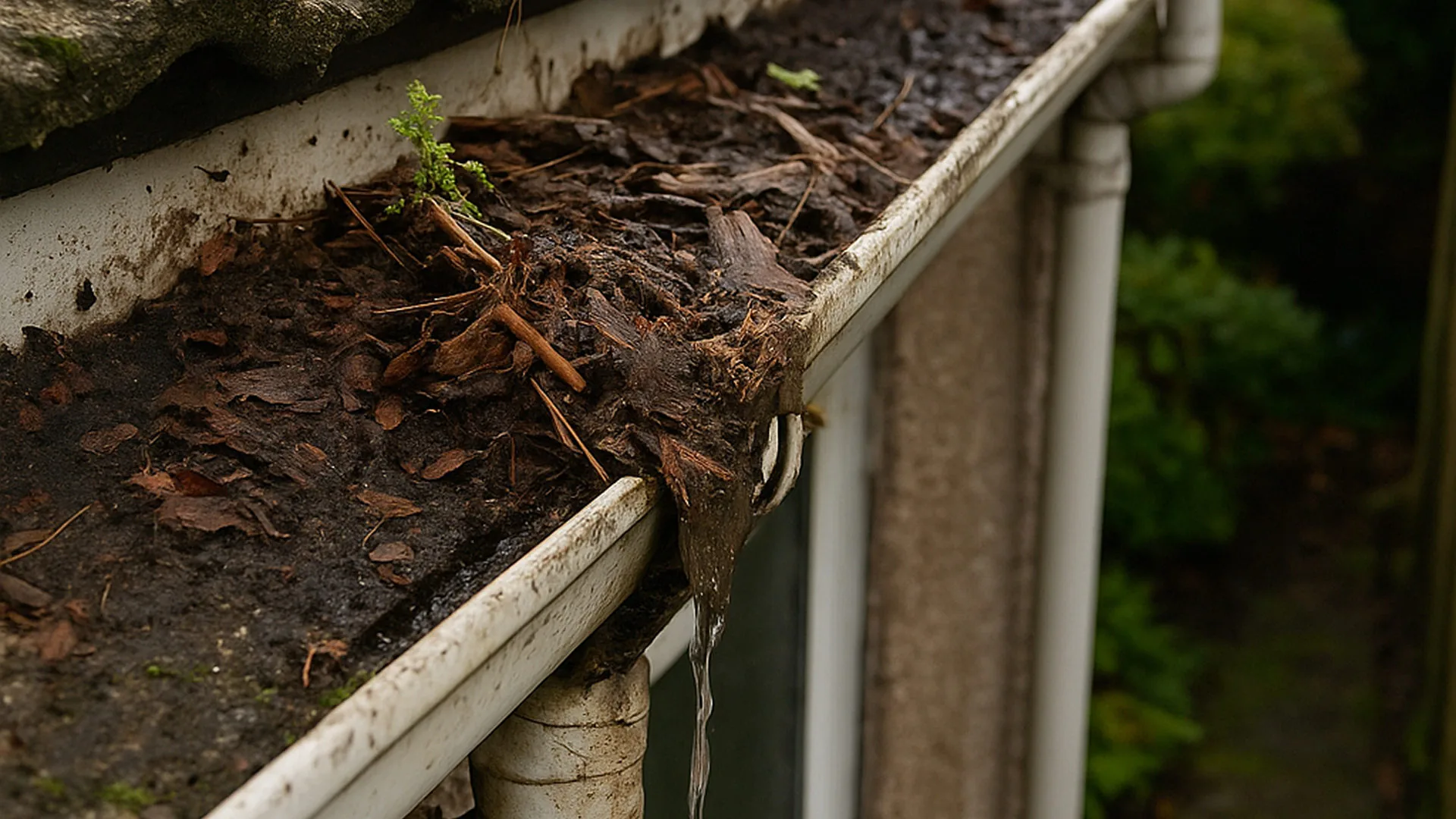
Gutter Cleaning
How Often Should You Really Clean Your Gutters in the Sacramento Area?
The standard advice is twice a year, but Sacramento's tree cover and rainfall pattern can change that math. Here's how to actually figure out your schedule.
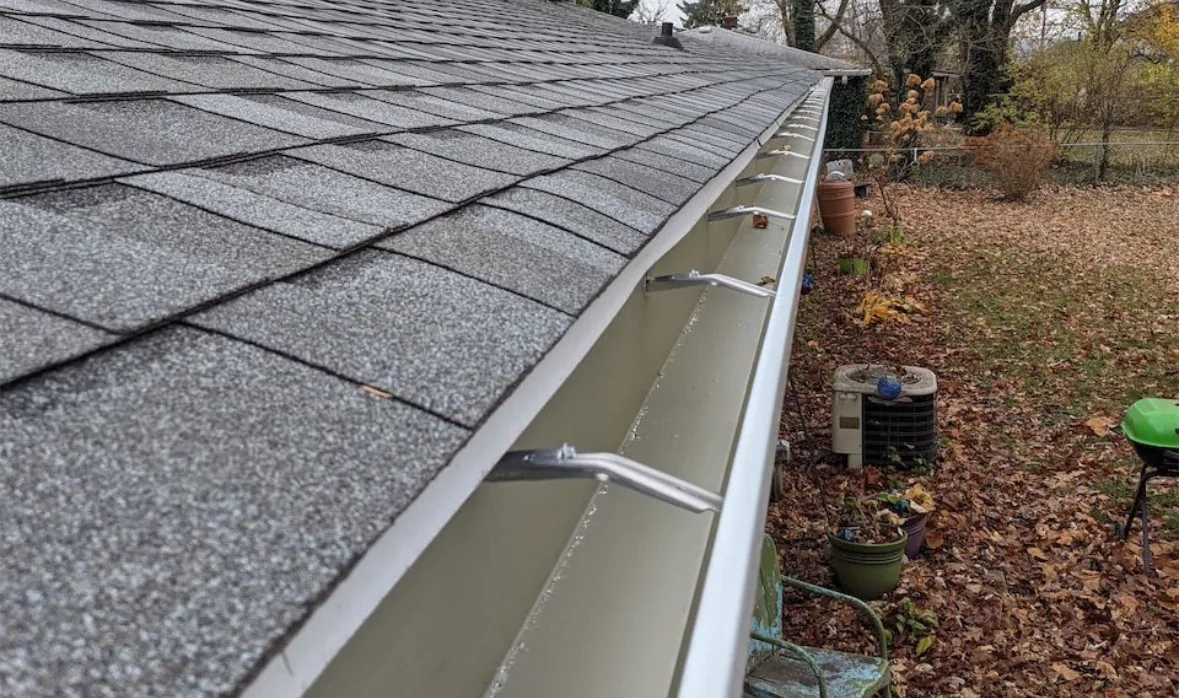
A gutter run should look level and straight. A sagging section usually means a hanger has pulled loose or the fascia behind it has started to soften, and it only gets worse under the weight of standing water or wet debris.
Streaks running down the siding, or paint that's started to bubble and peel just below where the gutter sits, are usually a sign that water is overflowing or leaking somewhere it shouldn't.
If downspouts aren't carrying water far enough away from the house, or a clog is forcing overflow straight down the wall, you'll often see pooling or soft, over-saturated soil right at the foundation line. That's one of the more expensive problems to leave alone.
A gap opening up between the gutter and the fascia board is a structural issue, not a cosmetic one. It usually means the fasteners are failing, and it's worth having someone look at it before the whole run comes loose.
On older sectional gutters, rust and separated seams are often the first visible sign that a system is nearing the end of its life. A well-maintained gutter system typically lasts 20 to 30 years, but that number drops fast once corrosion sets in.
Catching these signs early is almost always cheaper than waiting. A full gutter replacement runs roughly 3 times what a targeted repair costs, so a small fix now is usually the better trade.
Gutter Cleaning
The standard advice is twice a year, but Sacramento's tree cover and rainfall pattern can change that math. Here's how to actually figure out your schedule.
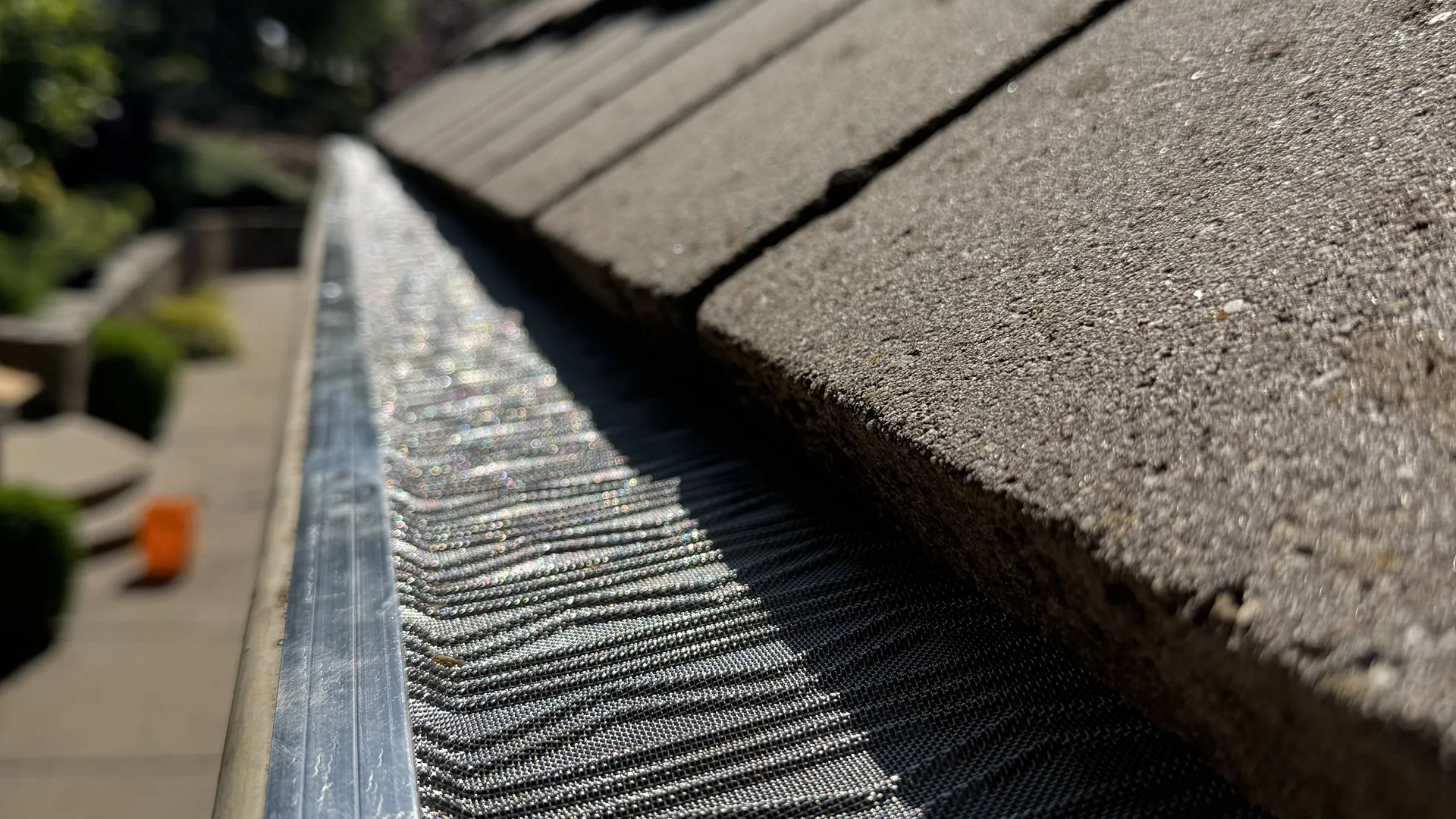
Gutter Guards
Gutter guards aren't magic, but the right kind can genuinely cut down on maintenance. Here's what they actually do, and don't do.
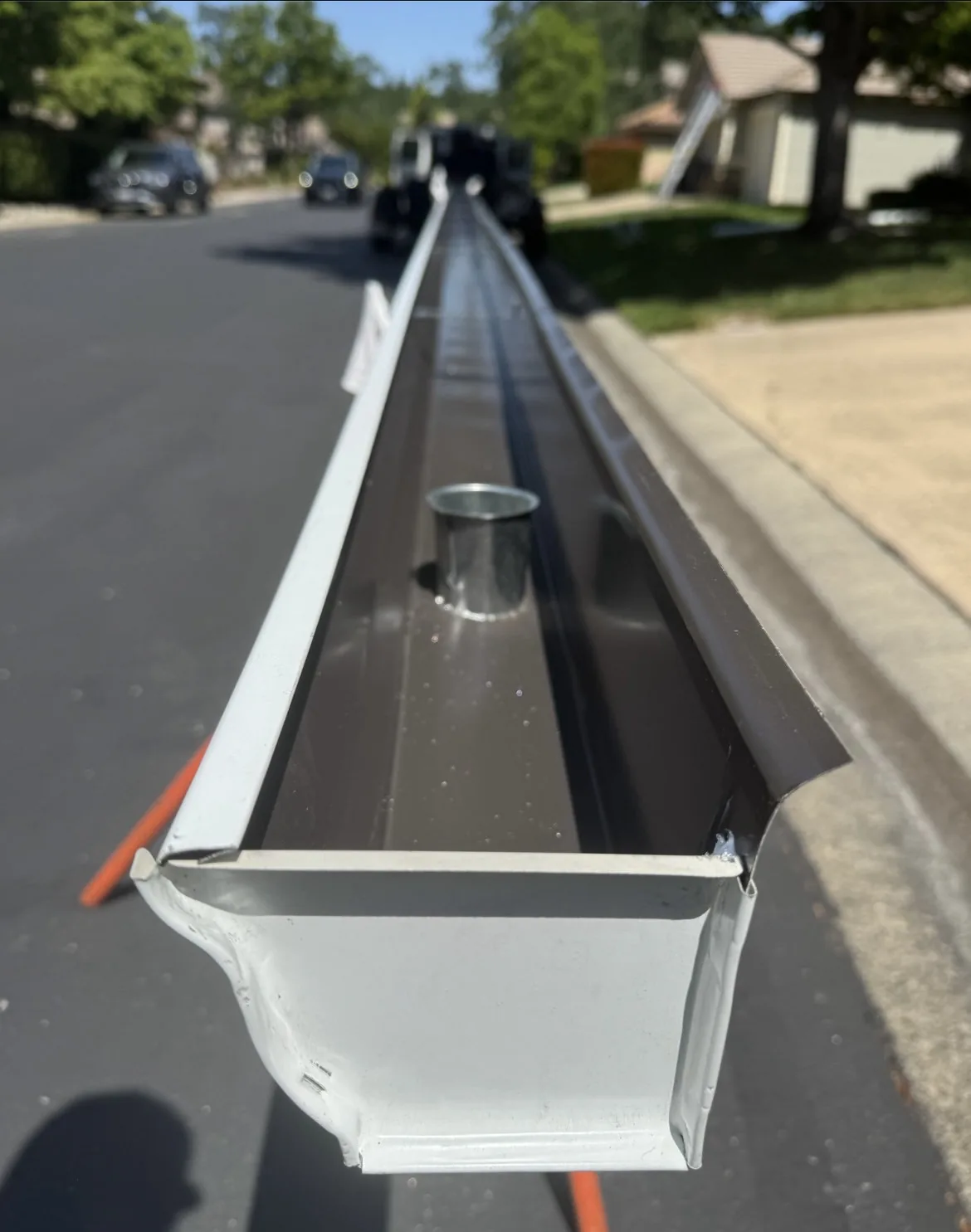
Seamless Gutters
Both keep water off your roofline, but they're built, installed, and maintained differently. Here's what actually separates the two.
Free inspection, firm price