
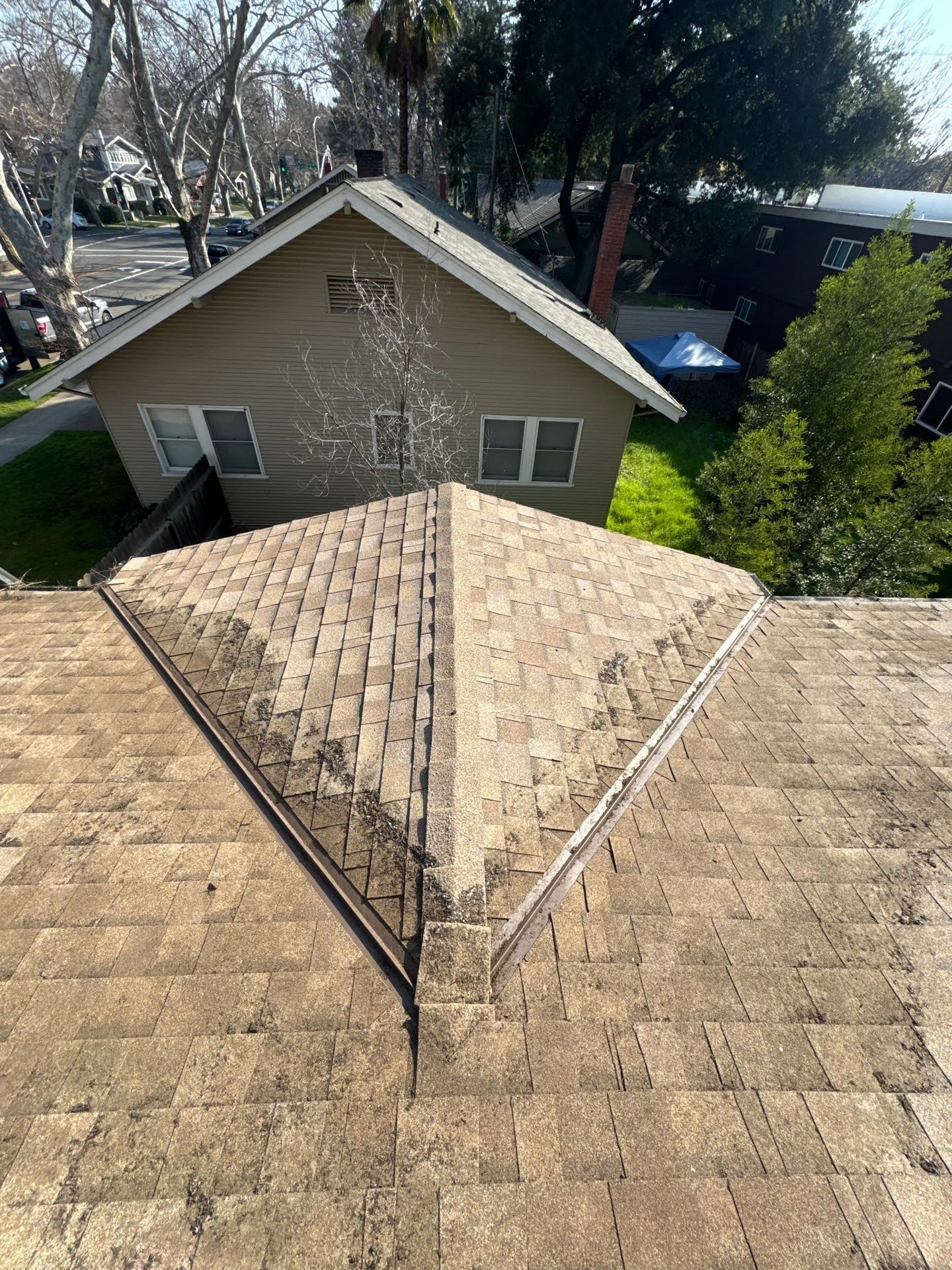
Storm Season
What to Check on Your Roof and Gutters After a Storm Passes
Once it's safe to go outside, here's a practical, ground-level walkthrough of what to look at on your roof, gutters, downspouts, and yard before the next system rolls in.
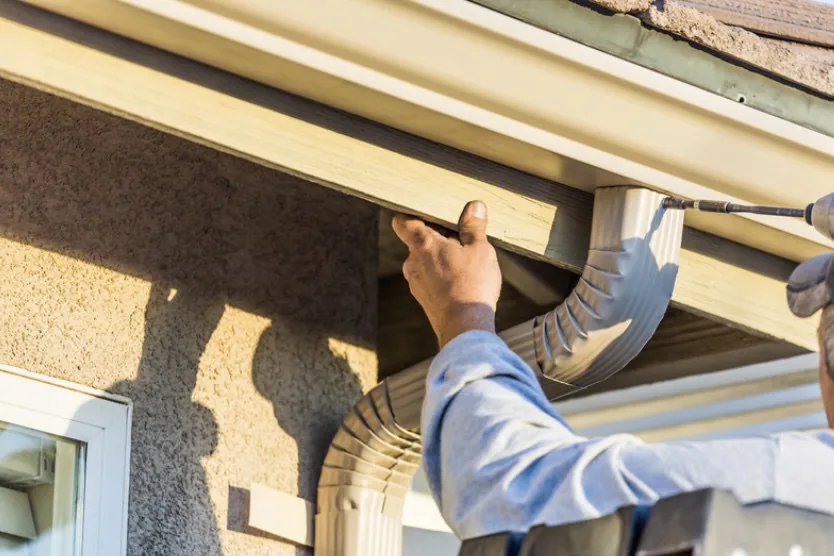
This is one of the most common questions we get on an inspection, and the honest answer is that it depends on specifics most homeowners can't fully judge from the ground. That said, there are clear patterns that separate a straightforward repair from a system that's genuinely due for replacement. It's also a question worth settling before a strong atmospheric river rolls through and tests whichever system you're currently running.
A single sagging section, a few loose hangers, or one leaking seam are all classic repair jobs. If the rest of the system is in reasonably good shape and the damage is limited to a specific spot, there's usually no reason to replace the whole run.
A targeted repair typically costs a fraction of what a full replacement runs, so it's worth having an honest look before assuming the worst. For a broader list of what to watch for before it reaches this point, see 5 Warning Signs Your Gutters Are About to Fail.
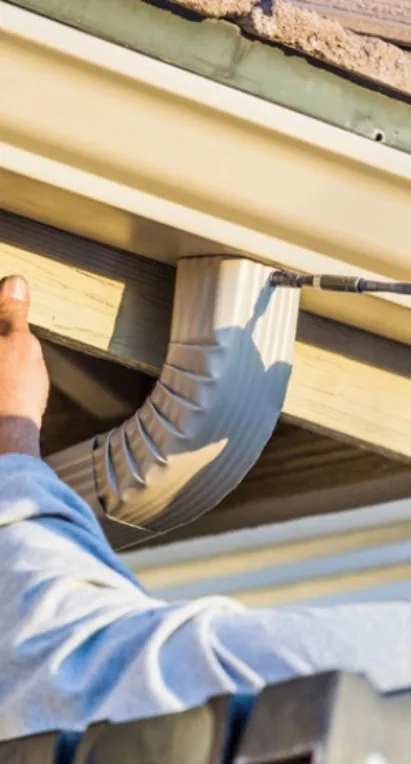
A typical repair is more targeted than homeowners sometimes expect. The crew identifies the specific failure point, whether that's a loose hanger, a separated seam, or a small section of damaged gutter, and addresses just that area rather than the full run. This Old House covers similar repair-vs-replace decision points if you want an independent read beyond our own experience.
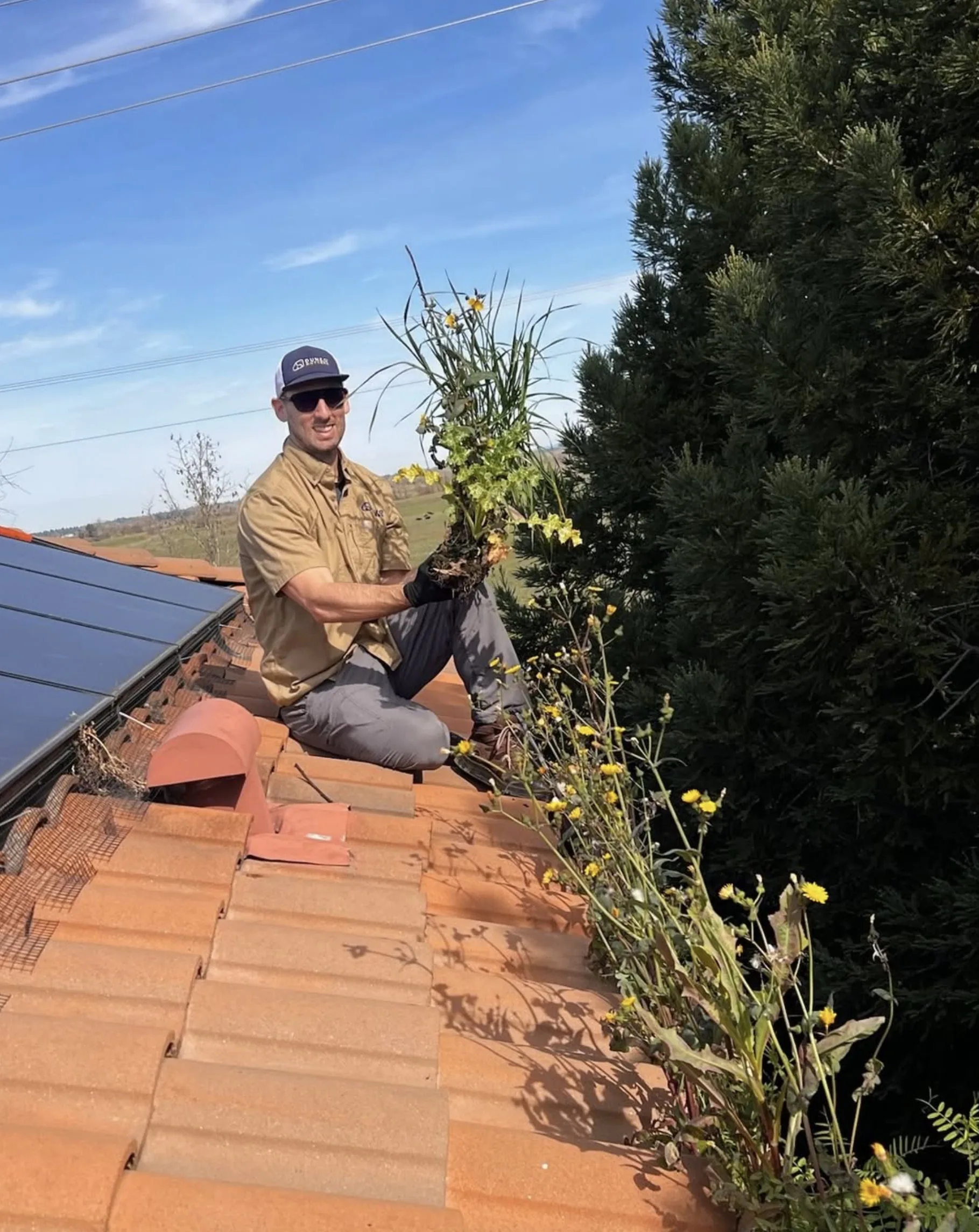
Widespread rust, multiple separated seams, or a gutter system that's already past its typical 20 to 30 year lifespan are all signs that repairs are just delaying the inevitable. At that point, you're often paying repair costs repeatedly on a system that's fundamentally worn out.
A full gutter replacement averages around $1,181 for most homes, and generally costs about 3 times what a single repair would, so the math only makes sense to keep repairing once those repairs start happening often enough to add up to that replacement number anyway. If replacement is on the table, it's also worth comparing seamless vs. sectional before deciding what to replace it with.
A full replacement is a bigger undertaking than a repair, and understanding the steps helps explain the cost difference.
The material your current gutters are made from changes both how obvious the warning signs are and how the repair-vs-replace math tends to work out.
| Material | How repairs typically hold up | When replacement usually makes sense |
|---|---|---|
| Aluminum | Repairs hold well if the fascia underneath is sound | Widespread denting or multiple separated seams |
| Galvanized steel | Repairable until rust reaches the point of thinning the metal | Rust has progressed past surface spots into the metal itself |
| Copper | Rarely needs more than isolated seam work for decades | Very rarely needed before 50+ years of age |
| Vinyl | Repairs are limited since cracked sections are harder to patch cleanly | Cracking appears in more than one or two spots |
Use this as a general starting point, not a substitute for an actual inspection.
| Situation | Likely path | Why |
|---|---|---|
| One sagging section, system otherwise sound | Repair | Isolated issue, rest of the system has life left |
| Recurring leaks at the same seam | Repair, or seamless replacement of that run | Sectional seams are a known weak point |
| System is 20+ years old with scattered rust | Replacement | Repairs become more frequent and less cost-effective |
| Multiple sections pulling away from fascia | Replacement | Suggests systemic fastener or fascia failure, not an isolated spot |
| Recently installed system with one new problem | Repair | A young system with an isolated issue rarely needs full replacement |
Find your row in the table above
We'll inspect the whole run and tell you honestly which path fits.
A repair typically involves materials for a single section, labor for a focused job, and little to no disposal cost. A full replacement involves removing and disposing of the old system, materials for the entire roofline, and a full day or more of labor, which is why the multiplier between the two is as large as it is.
This is also why catching problems early matters financially, not just structurally. Every season a repairable issue goes unaddressed increases the odds it spreads into something that needs full replacement instead. It's the same reasoning behind the National Association of Home Builders' general guidance on deferred maintenance: small, timely fixes are consistently cheaper than the larger jobs they turn into if left alone.
If you're preparing a home for sale, a buyer's inspector will typically flag the same warning signs covered in 5 Warning Signs Your Gutters Are About to Fail, and addressing them ahead of time, with a repair where that's genuinely sufficient, tends to be more cost-effective than negotiating a credit after an inspection finds them.
On the insurance side, as covered in The Hidden Cost of Ignoring a Clogged Gutter, damage tied to a gutter system that was never maintained is generally harder to claim than damage from a sudden event. A gutter system in documented good repair, whether through targeted fixes or a full replacement, is simply a stronger position to be in either way.
If you're trying to make this call yourself before calling anyone out, these are the right questions to start with.
Can't answer all five from the ground? That's what the inspection is for.
The real answer depends on the condition of the specific system in front of us, not a general rule. We inspect the whole run, not just the spot you're worried about, before recommending repair or replacement. Whoever you end up hiring, it's worth knowing how to verify who you're actually bringing onto your roof first.
If a repair will genuinely solve the problem, that's what we'll recommend. We don't have a reason to push a bigger job than the one that's actually needed. Our gutter repair page and seamless gutters page both have current pricing if you want to compare before booking a free inspection.
It's worth addressing the other side of this decision too. Repeatedly patching a system that's genuinely past its useful life doesn't just waste money, it can create a false sense of security. Each individual repair might hold for a while, but the underlying age and condition of the rest of the system hasn't changed, and the next failure is often somewhere new rather than a repeat of the spot that was just fixed.
This is why a thorough inspection looks at the whole roofline rather than just patching the specific complaint a homeowner called about. A repair that's recommended should come with an honest read on how much life the rest of the system realistically has left.
The opposite mistake happens too, usually driven by an overly cautious or upsell-motivated quote. Replacing a fundamentally sound system because of one isolated issue is an unnecessary expense, and it's one of the reasons we inspect the whole run before recommending anything: a quote based on a single photo or a quick drive-by look isn't enough information to make this call responsibly either way.
Get an honest, whole-run inspection before you spend a dollar either way.
A few more questions that come up during this specific decision.
Storm Season
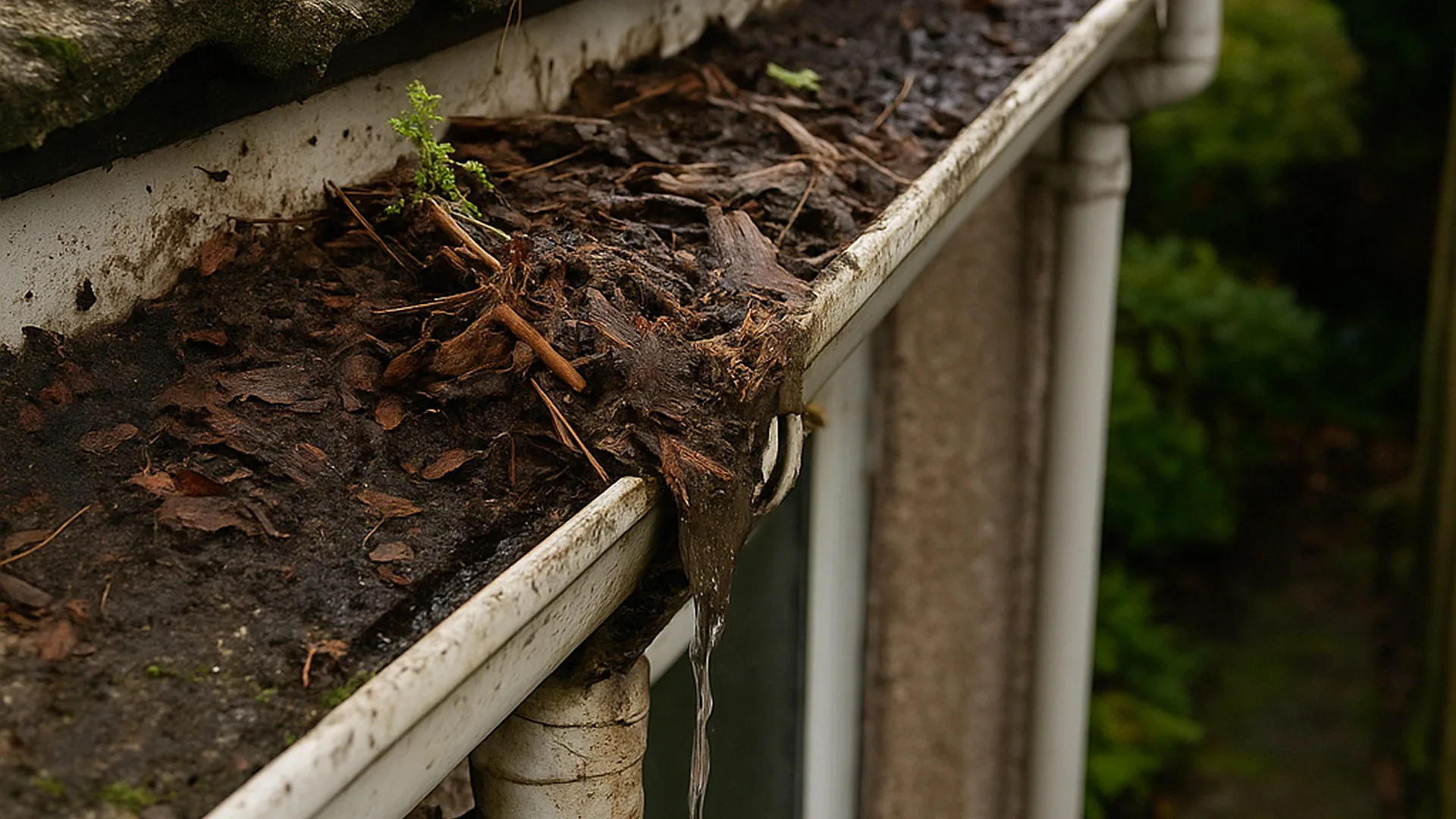
Once it's safe to go outside, here's a practical, ground-level walkthrough of what to look at on your roof, gutters, downspouts, and yard before the next system rolls in.
Storm Season
If water is sheeting over your gutters mid-storm, here's the honest, safety-first version of what to do, what to watch, and when it's a real problem versus just a mess.
Hiring Guide
Anyone can print a truck magnet and call themselves a gutter company. Here's how to actually verify who you're hiring before they're on your roof.
Free inspection, firm price