Sacramento’s straightforward exterior-care team
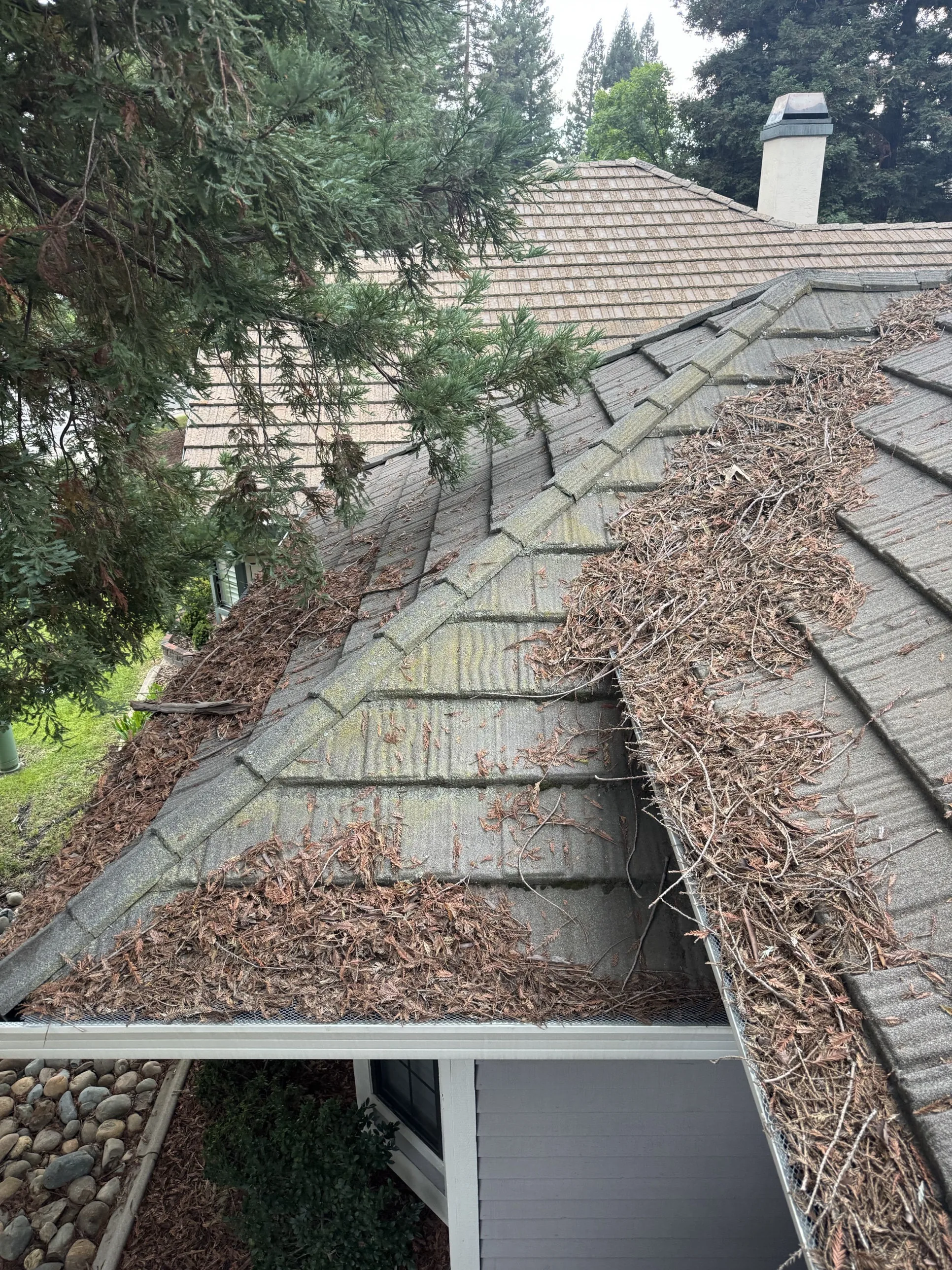
A roof valley buried in pine debris before cleaning

Almost every emergency gutter or roof call we get in January traces back to something that was visible and fixable in October. The Sacramento area's rainfall is concentrated enough in the winter months that a little preparation beforehand makes an outsized difference once the storms actually start. Much of that concentrated rainfall arrives through atmospheric rivers, the specific weather pattern behind most of the region's serious winter storms, which is exactly why this prep work matters more here than in a climate with steadier, spread-out rain.

A month-by-month prep timeline

Spreading this out ahead of time is easier than trying to do it all in one weekend once the first storm is already on the forecast.

MonthTaskWhy now
SeptemberSchedule your fall gutter cleaningBeat the rush before the first storm fills every contractor's calendar
OctoberInspect roof valleys and flashingLast dry window before rain makes roof work harder and riskier
Early NovemberConfirm downspouts discharge away from the foundationSet up proper drainage before the ground saturates
Mid-to-late NovemberFinal walk-around and touch-upsCatch anything missed before the rainy season's first real test

Clear gutters and downspouts first

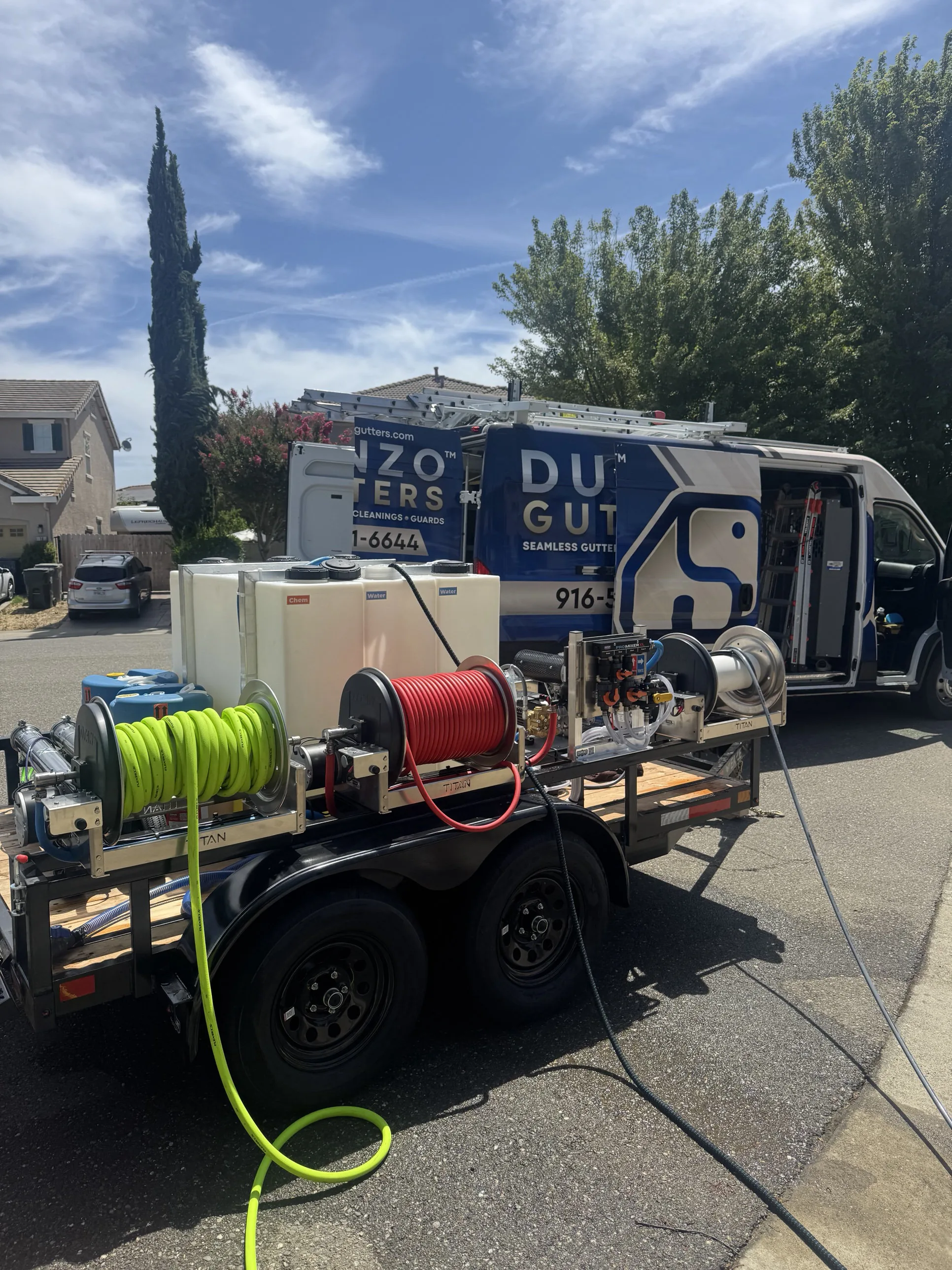
The Dunzo Gutters van and soft-wash equipment trailer, with chemical and water tanks visible

This is the single most important item on the list. A gutter that's already clogged going into the rainy season is the most common cause of overflow, fascia damage, and foundation issues once the storms actually arrive. Ready.gov, the federal emergency preparedness site, covers general winter-storm prep too, from sealing drafts to building a supply kit for days without power.

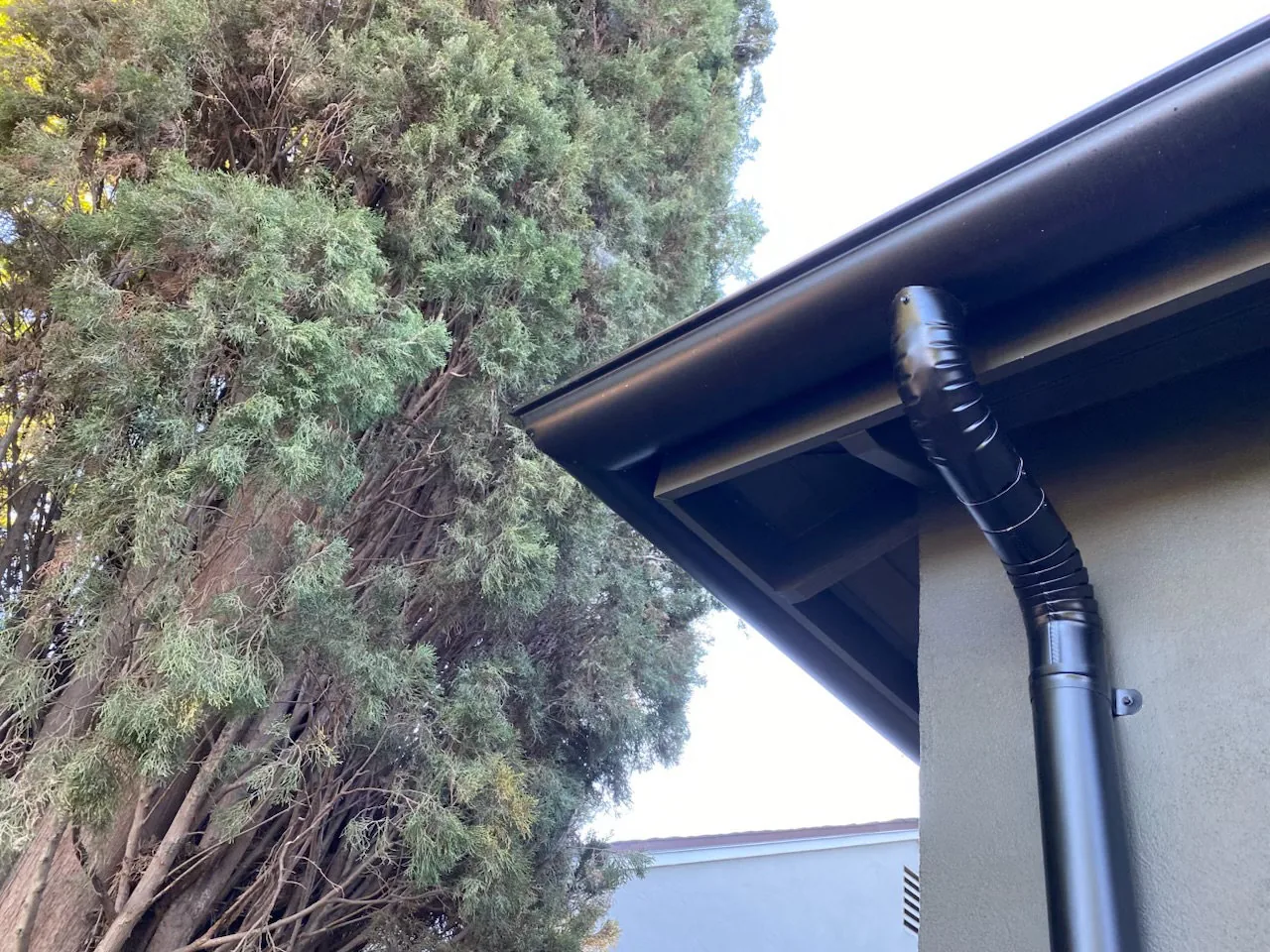
Check that downspouts are clear all the way through and pointed to carry water at least a few feet away from the foundation, not just off the roof edge. A downspout extension is a cheap fix that prevents a genuinely expensive problem.

Check the roof for moss, debris, and loose material

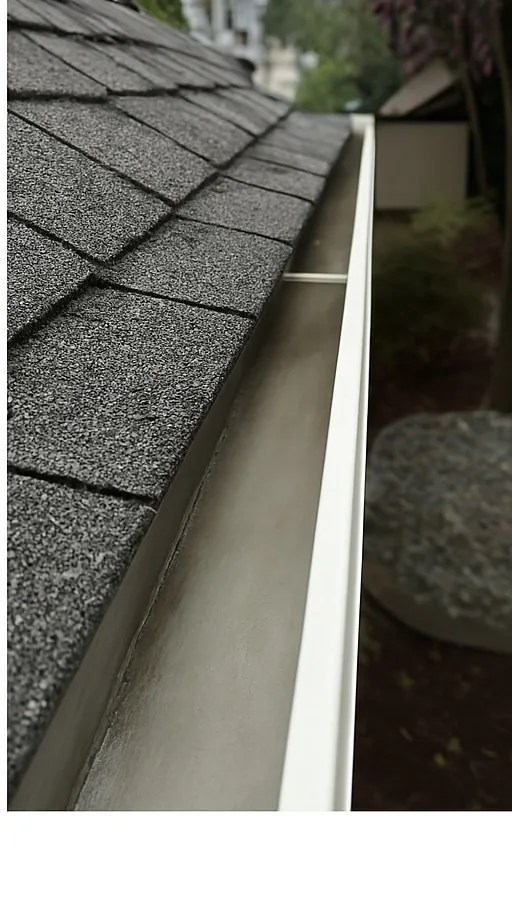
The same gutter clear and empty after a Dunzo Gutters cleaning

Roof valleys and shaded sections are the most common spots for moss and debris buildup to hide. Clearing them before the season's first heavy rain prevents that debris from turning into a dam that backs water up under shingles.

It's also worth checking for any loose or lifted shingles while you're at it, since those are far easier to fix before a storm than during one. See Why Roof Moss Is a Bigger Problem Than It Looks for how moss specifically contributes to this.

Look at seals, flashing, and fasteners

Gutter hangers, downspout brackets, and roof flashing all take a beating over a dry Sacramento summer. A quick check for loose fasteners or cracked sealant now can prevent a small gap from becoming a leak once the rain starts.

The full pre-winter checklist, by system

If you only have time for one pass, work through this list system by system.

  • Gutters: cleaned and downspouts flushed all the way through
  • Downspouts: extensions in place, discharging water away from the foundation
  • Roof: valleys and shaded sections checked for moss or debris buildup
  • Roof: loose or lifted shingles identified and flagged for repair
  • Hangers: checked for looseness along the full roofline
  • Flashing: around chimneys, vents, and skylights visually inspected for gaps
  • Trees: trimmed back from the roofline if branches are close enough to drop debris directly onto it
  • Final check: a walk-around after the prep work, ideally timed right before the forecast shows the season's first real storm

Don't want to climb the ladder yourself?

Book your fall gutter cleaning before the first storm fills the calendar.

Book now

What an inspection-based prep visit looks like

Rather than guessing which items on the checklist above actually apply to your home, an inspection-based approach starts by looking at your specific roofline and working backward to a prioritized list.

  • 1A full walk of the gutter system checking for debris, hanger condition, and seam integrity
  • 2A visual roof check focused on valleys, shaded sections, and any areas with known moss history
  • 3A downspout flow test and a look at where each one actually discharges
  • 4A summary of what needs attention now versus what can wait, so you're not paying for work the home doesn't need yet

Get this exact walk-through done on your home, free.

Book my free inspection

What to do once a storm actually hits

If you notice overflow or a new leak during an active storm, the safest move is usually to wait it out rather than getting on a ladder in wind and rain. Note where the problem is showing up so it's easy to point out afterward, and keep an eye on anything pooling near the foundation in the meantime. The National Weather Service's winter safety guidance covers broader household precautions worth knowing during an active storm, beyond just the roofline.

Once the storm passes, that's the time to address it properly, whether that's a cleaning, a repair, or a closer inspection to see how much damage occurred.

Signs your prep work actually missed something

Even a thorough pre-winter check can miss something. A few signs during the first real storm that something needs attention before the next one:

  • Overflow in a spot that looked clear during your fall check, which can mean a clog formed afterward from late-season leaf drop
  • A new drip or stain appearing indoors that wasn't there before the season started
  • Water pooling somewhere it didn't last year, which can indicate a grading or drainage change worth a closer look

Prepping the rest of the exterior while you're at it

Since gutters and roof are already getting attention, it's an efficient time to glance at a few related items that tend to get overlooked until they're also a problem mid-storm.

  • Exterior caulking around windows and doors, which can crack over a dry summer and let wind-driven rain in, right around the same time your windows need their own seasonal attention
  • Grading near the foundation, confirming soil still slopes away from the house rather than toward it after any landscaping changes
  • Outdoor drains and area drains, cleared of summer debris so they're ready to handle runoff
  • Deck and fence surfaces, which benefit from the same pre-winter attention covered in Pressure Washing 101 if organic growth has built up over the dry season

Get it all handled in one visit before the first storm.

Get a free quote

Building prep into a yearly habit

Homeowners who treat this as a one-time project tend to end up back in the same reactive cycle a year or two later. Tying pre-winter prep to a specific, memorable trigger, like the clocks changing, or right after the first cool snap, makes it much easier to keep on a consistent yearly schedule rather than something that only happens after a problem already showed up. If holiday lights are also going up around the same time, it's worth doing the gutter check first, covered in Hanging Holiday Lights Without Wrecking Your Gutters.

If you've been through a rough winter before and want to avoid a repeat, that's also useful information for us during an inspection. Knowing which specific spots gave you trouble last year lets us focus extra attention there rather than treating every roofline the same.

When in doubt, get a free inspection

A lot of the damage we see every winter was preventable with a fall inspection that never happened. It takes less time than you'd think, and it's the cheapest insurance you can buy against a soggy surprise in January.

If you want to start with pricing, our gutter cleaning and roof cleaning pages have current rates, or you can book a free inspection directly and we'll tell you exactly what your home needs before the season's first storm.

Frequently asked questions

Questions we hear most as the rainy season approaches.

  • How far in advance should I schedule fall prep? Late September to early October is ideal, before contractor schedules fill up ahead of the first storm.
  • Is it too late to prep once the rain has already started? It's never too late to improve a system's condition, but working on a wet roof is riskier, so earlier is always better when possible.
  • Do downspout extensions really make a difference? Yes. Moving discharge even a few feet further from the foundation significantly reduces the risk of soil saturation and settling near the house.
  • What's the single highest-value thing I can do if I only have an hour? A full gutter and downspout cleaning covers the issue responsible for the largest share of winter emergency calls.
  • Should I prep differently if I have gutter guards installed? Guards reduce debris buildup but don't eliminate the need for a pre-winter check, confirm downspouts are still flowing freely and the guards themselves haven't shifted.
  • Is there anything worth doing mid-winter if I missed the fall prep window entirely? Yes, a cleaning and inspection are still worthwhile any time a problem is suspected, even mid-season; the only real downside to doing it later is working around wetter conditions rather than a dry window.

Free inspection, firm price

Ready to get this handled instead of just reading about it?