
Sacramento’s straightforward exterior-care team
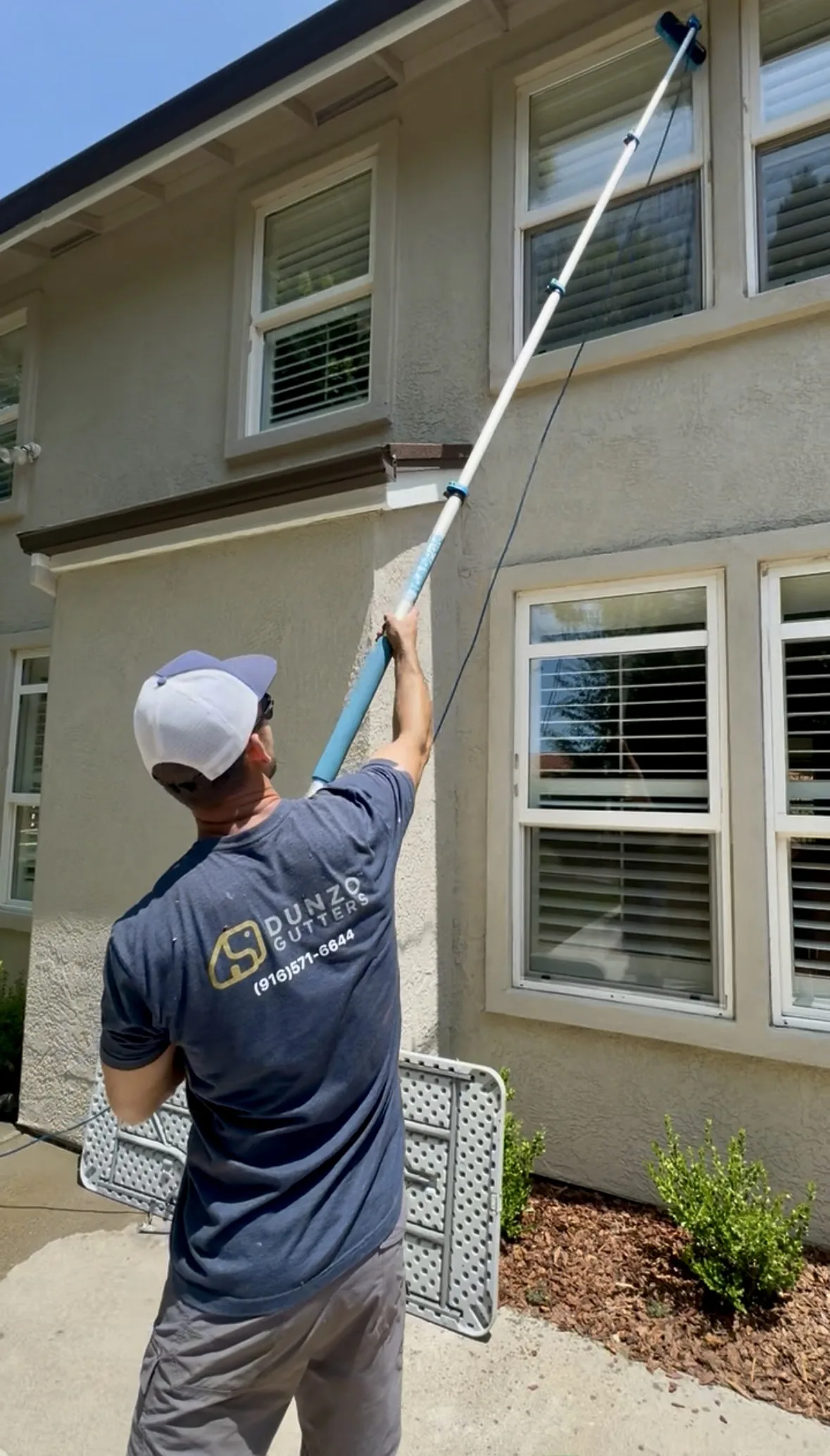
A Dunzo Gutters technician using a water-fed extension pole to clean a second-story window on a Sacramento home

It's a common complaint: windows get professionally cleaned, look great for a few weeks, and then the haze is back. The glass itself isn't the problem. What's actually happening is specific to this climate, and once you understand it, the right cleaning schedule becomes obvious.

Sacramento's dry season is the real culprit

From roughly May through September, Sacramento sees almost no rainfall, five months where nothing is naturally rinsing dust, pollen, and valley haze off your windows the way an occasional rain would in a wetter climate. NOAA's climate normals data for the Sacramento area confirms just how dry that stretch really is, which is the same dataset we reference across our service area pages.

That means anything that lands on your glass, screens, and sills during the dry season just sits there, building up layer by layer, until either rain or a real cleaning removes it.

What's building up, month by month

The type of buildup changes through the year, which is part of why one cleaning doesn't solve the problem permanently.

PeriodWhat's accumulatingWhy it's stubborn
March to MaySpring pollen and tree bloom residueSticky residue that attracts more dust once it lands
June to SeptemberValley dust, agricultural haze, minimal rainNothing rinses it off naturally for months
October to NovemberDust plus early leaf and debris falloutSettles into screens and tracks, not just glass
December to FebruaryRain provides some natural rinsingHeavy rain alone still leaves streaking and spotted residue

It's not just the glass

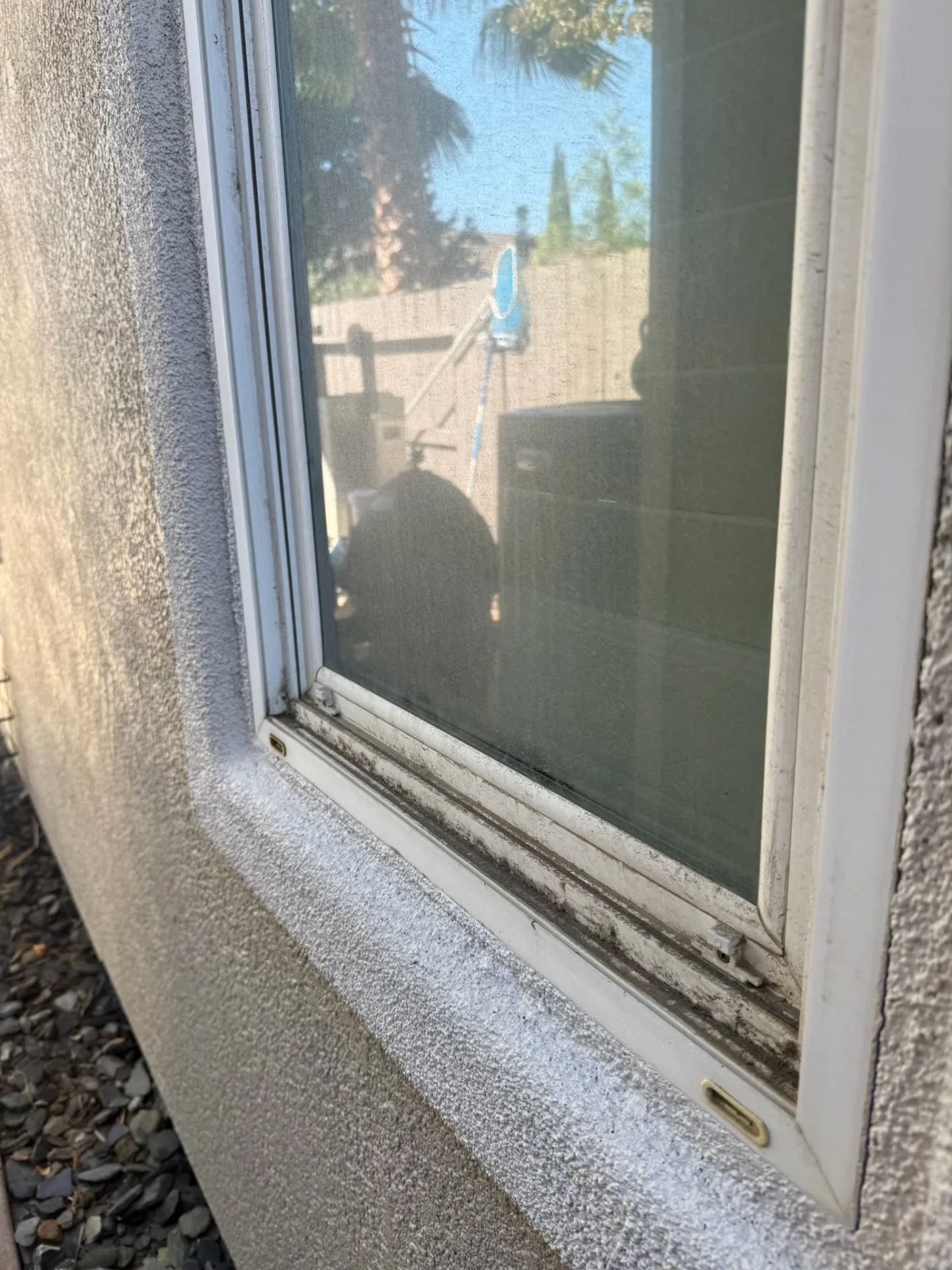
Close-up of a dust-caked window track and sill on a Sacramento home before cleaning

A quick wipe of the glass misses most of where buildup actually accumulates. Screens are mesh, which means they trap dust and pollen the same way an air filter does, and tracks and sills collect debris that a glass-only cleaning never touches.

  • Screens: dust and pollen embed in the mesh and gray it out, not just sit on the surface
  • Tracks and sills: debris packs into the channel and can interfere with how smoothly a window opens over time
  • Frame corners: a common spot for cobwebs and insect debris that a glass-only pass skips entirely

Why a quick wipe-down doesn't actually work

Paper towels and standard glass cleaner leave lint and a thin film behind, which is exactly what new dust sticks to first. That's why windows cleaned that way look dirty again faster than ones cleaned properly, the surface itself is primed to re-collect buildup.

Hard water spots are a separate issue, caused by mineral deposits left behind when water evaporates on the glass before it's squeegeed off. The National Glass Association covers the broader technical side of glass care and maintenance if you want detail beyond what we cover here.

Cleaning method comparison

Not every cleaning approach gets the same result, even on the same window. The same pressure-vs-surface tradeoffs covered in Pressure Washing 101 apply here too: more force isn't automatically a better clean, especially around a window seal.

MethodResultWhy
Paper towel + spray cleanerStreaks and lint, re-soils fastLeaves a thin residue film that attracts new dust
Pole and squeegee, filtered waterStreak-free, dries clearPulls water and dissolved dirt off in one pass, no film left behind
Pressure washer on glassRisk of forcing water behind sealsToo much force for window seals, not a substitute for proper technique

See current window cleaning pricing for your home.

View pricing

How often windows actually need cleaning

Most professionals recommend twice a year, timed around the edges of the dry season, once in spring before the heaviest dust months start, and again in fall before the rain arrives. A professional exterior window cleaning typically runs $150 to $350 for a home depending on window count, which tracks closely with the twice-yearly rhythm most homeowners settle into.

  • Street-facing or exposed windows: twice a year is usually the right baseline
  • Windows near heavy tree cover: may need a third cleaning if pollen and debris are especially heavy
  • Sheltered, covered-patio windows: can often stretch to once a year
  • Getting a home ready to sell or list: worth a cleaning regardless of when the last one happened

Pairing it with your fall home prep

If you're already scheduling a fall gutter cleaning, it's worth booking windows at the same time. Both jobs are driven by the same seasonal timing covered in Getting Your Home Ready Before the First Winter Storm, and having one crew handle both in a single visit is simpler than coordinating two separate appointments.

What a thorough cleaning actually includes

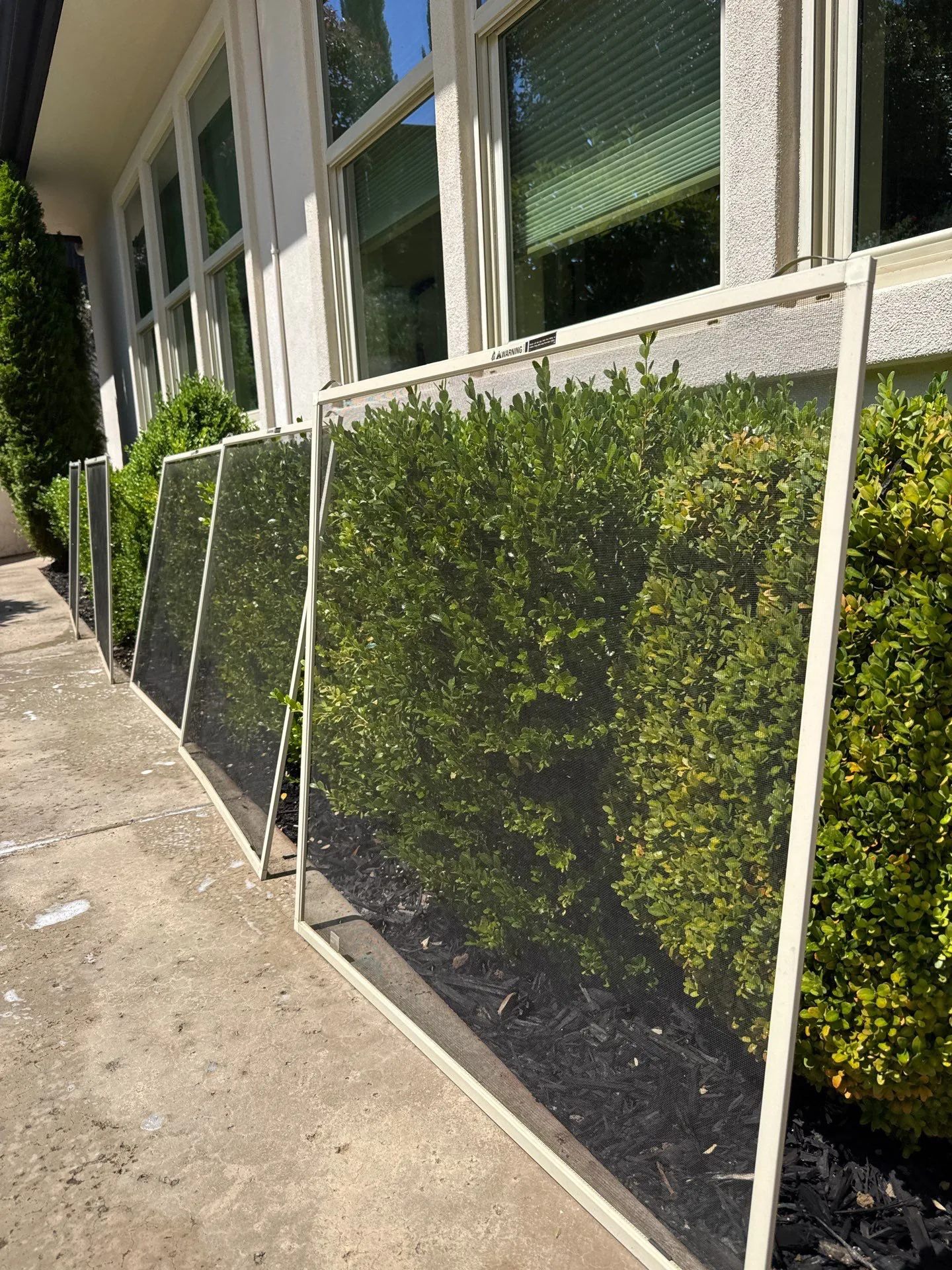
Clean window screens rehung on a Sacramento home

A real exterior window cleaning should go well beyond the glass itself. That's the standard we hold every window cleaning appointment to.

  • Exterior panes washed pole-and-squeegee style with filtered water so glass dries clear instead of streaked
  • Every screen removed, scrubbed clean of dust and pollen, and rehung, not just wiped in place
  • Sills and tracks cleared of dust and debris while the crew is already there
  • A photo report so you know exactly what shape your windows were in and what was done

Ready for streak-free glass?

Get a free quote for your home's exterior windows and screens.

Get a free quote

DIY vs. calling a professional

Ground-floor windows on a single-story home are a reasonable DIY job with the right pole-and-squeegee setup. The math changes fast once you're dealing with second-story glass, since that usually means either an extension pole you're not used to handling or a ladder at height, both of which make the already-finicky streak-free technique harder to pull off consistently.

Removing and rehanging screens correctly without bending the frames is also a skill that takes a few tries to get right, which is part of why a professional visit tends to look noticeably better than a DIY attempt on the same windows.

Skip the ladder. Book a professional cleaning instead.

Book now

Common DIY mistakes that make windows look worse

A few habits account for most of the streaking and re-soiling complaints we hear about DIY attempts.

  • Cleaning glass in direct sun, which dries the cleaner before it can be wiped off cleanly and leaves streaks behind
  • Using the same cloth or squeegee on multiple windows without rinsing it, which just spreads grit from one pane to the next
  • Skipping the screens entirely because they're annoying to remove, while the glass underneath still looks hazy from dust blowing through them
  • Spraying glass cleaner directly onto the window instead of onto the cloth or squeegee first, which lets product run down into the frame and sill

What we check while we're already there

A window cleaning visit is also a convenient time to catch small issues before they become bigger ones, since the crew is already working pane by pane across the exterior.

  • Cracked or failing seals between double-pane glass, which show up as persistent fogging between the panes
  • Loose or damaged screen frames that are easier to fix now than after they've bent further
  • Caulking around frames that's starting to crack or pull away, a common entry point for drafts and moisture
  • Any sill or track damage that could affect how smoothly a window opens and closes

Frequently asked questions

Questions homeowners ask most often before booking.

  • How much does window cleaning cost in Sacramento? A professional exterior window cleaning typically runs $150 to $350 for a home, depending on the number of windows and screens. We give you a firm price after a free inspection, before any work starts.
  • Do you clean window screens too? Yes. Every screen is removed, washed clean of dust and pollen, and rehung, not just wiped while still in the frame.
  • Is this exterior or interior window cleaning? Exterior. That's where the Sacramento dry season does the most damage, and it's what most homeowners are actually noticing.
  • Will cleaning my windows help with streaking from hard water? A proper squeegee technique prevents new hard water spots from forming, though already-etched mineral deposits may need a specialized treatment beyond a standard cleaning.
  • What's the best time of year to book in Sacramento? Right before the dry season starts in spring, and again right before the rain starts in fall, are the two highest-value windows on the calendar.
  • Can you clean windows on a two-story home safely? Yes, with proper extension pole equipment or ladder safety practices designed for the job, which is exactly the gap a professional crew closes versus a DIY attempt.

Free inspection, firm price

Ready to get this handled instead of just reading about it?