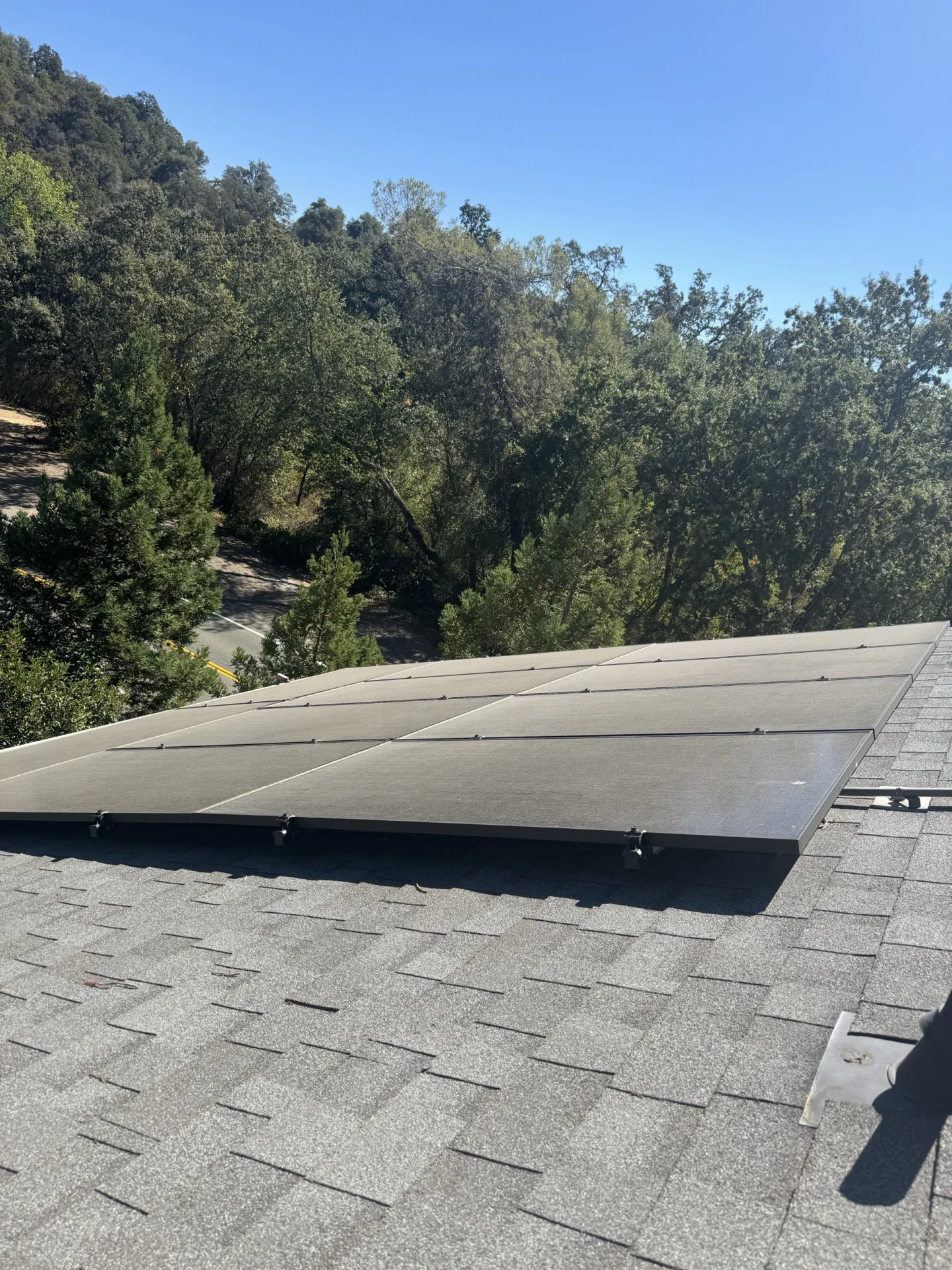
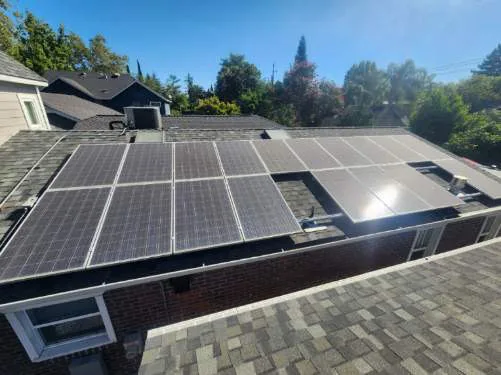
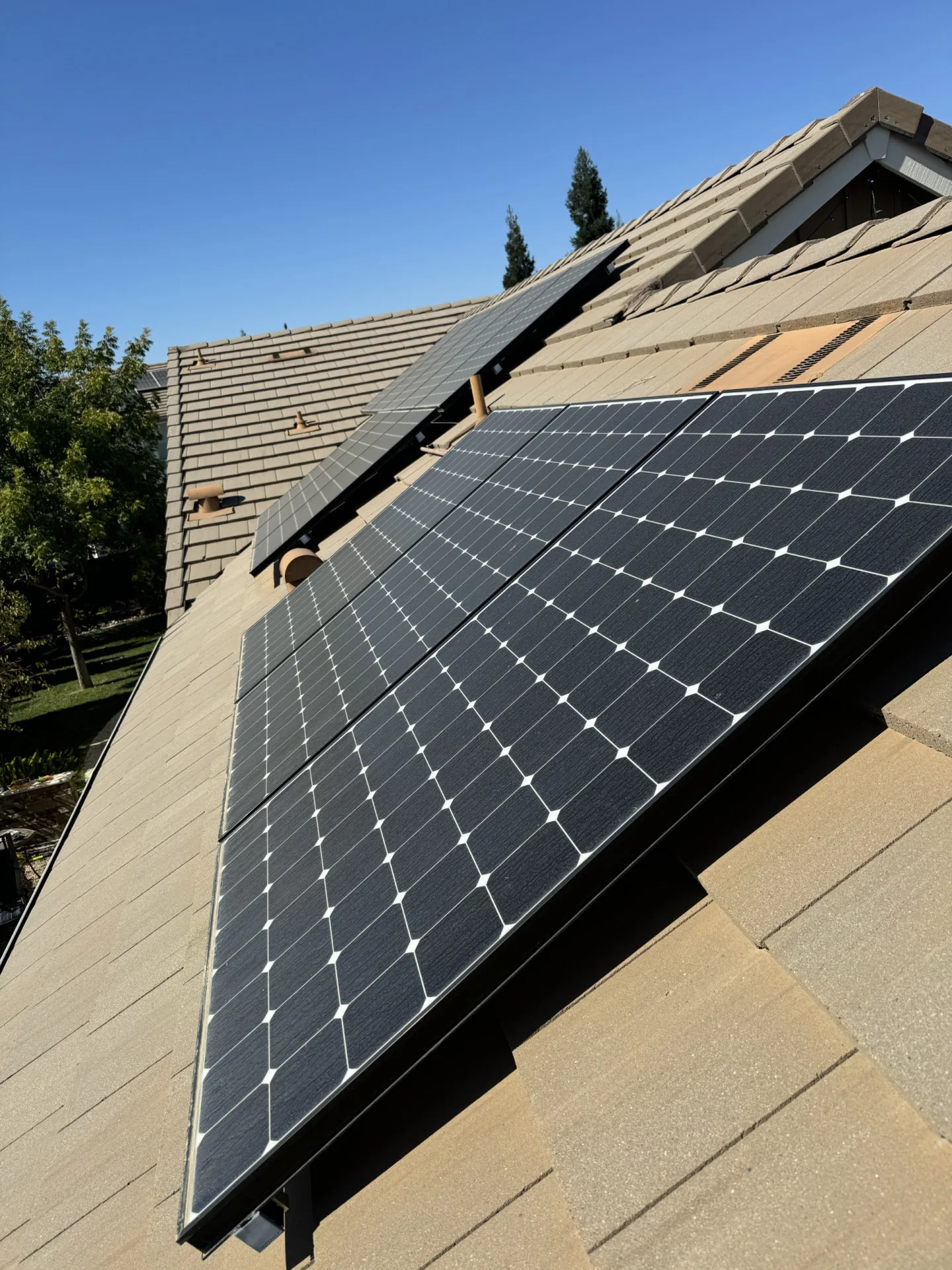
Solar panels rely on direct, unobstructed sunlight hitting the cells. A thin layer of dust, pollen, or valley haze scatters and blocks a portion of that light before it ever reaches the panel surface, a phenomenon the solar industry calls soiling loss. The tracks solar production and efficiency factors at a national level if you want the broader research behind residential soiling loss.
In the Sacramento area, a long dry season means dust and pollen have months to accumulate uninterrupted, since there's no regular rain to rinse it off naturally the way a wetter climate would. By the time the rainy season finally arrives, panels can carry most of a summer's worth of buildup.