Sacramento’s straightforward exterior-care team
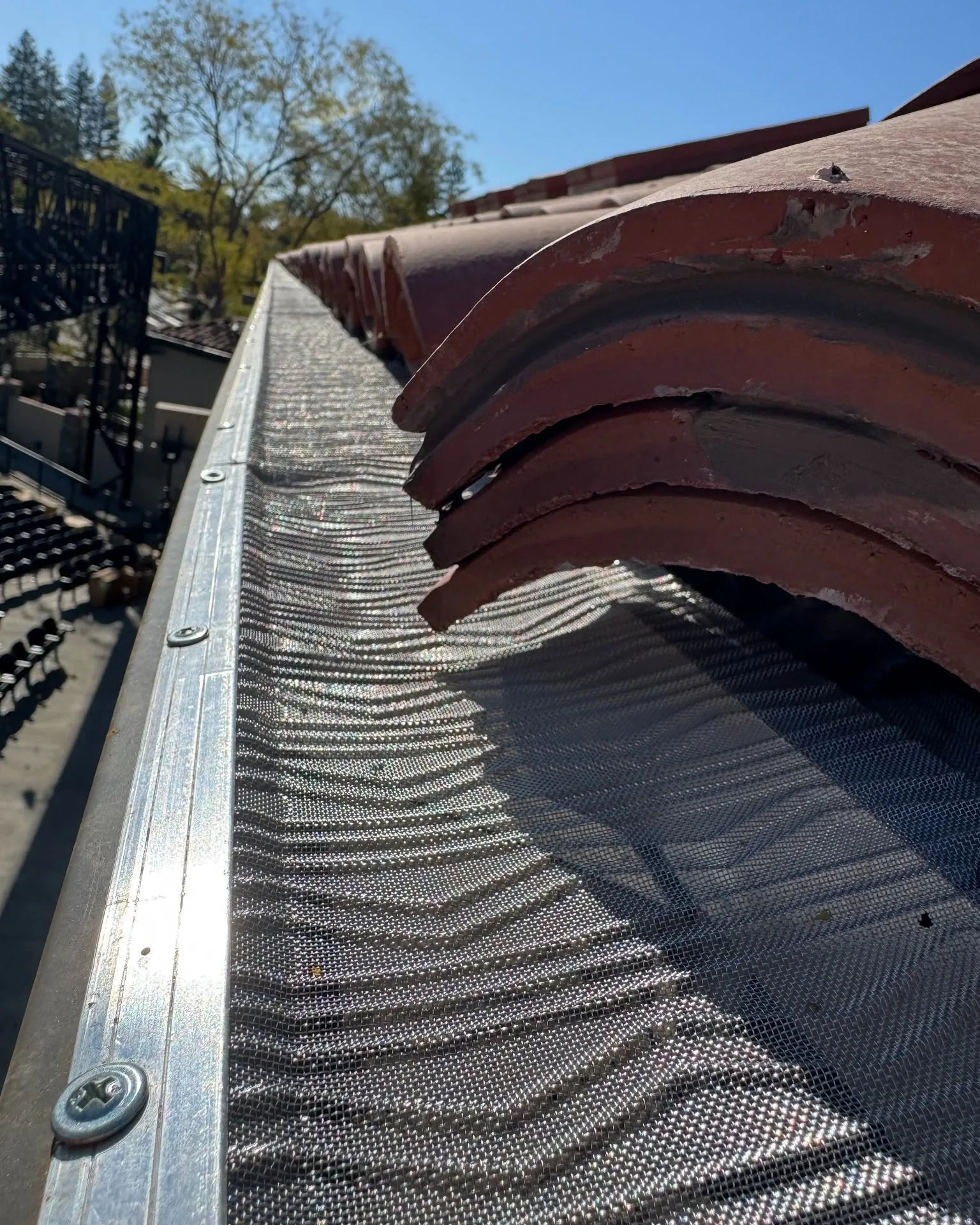
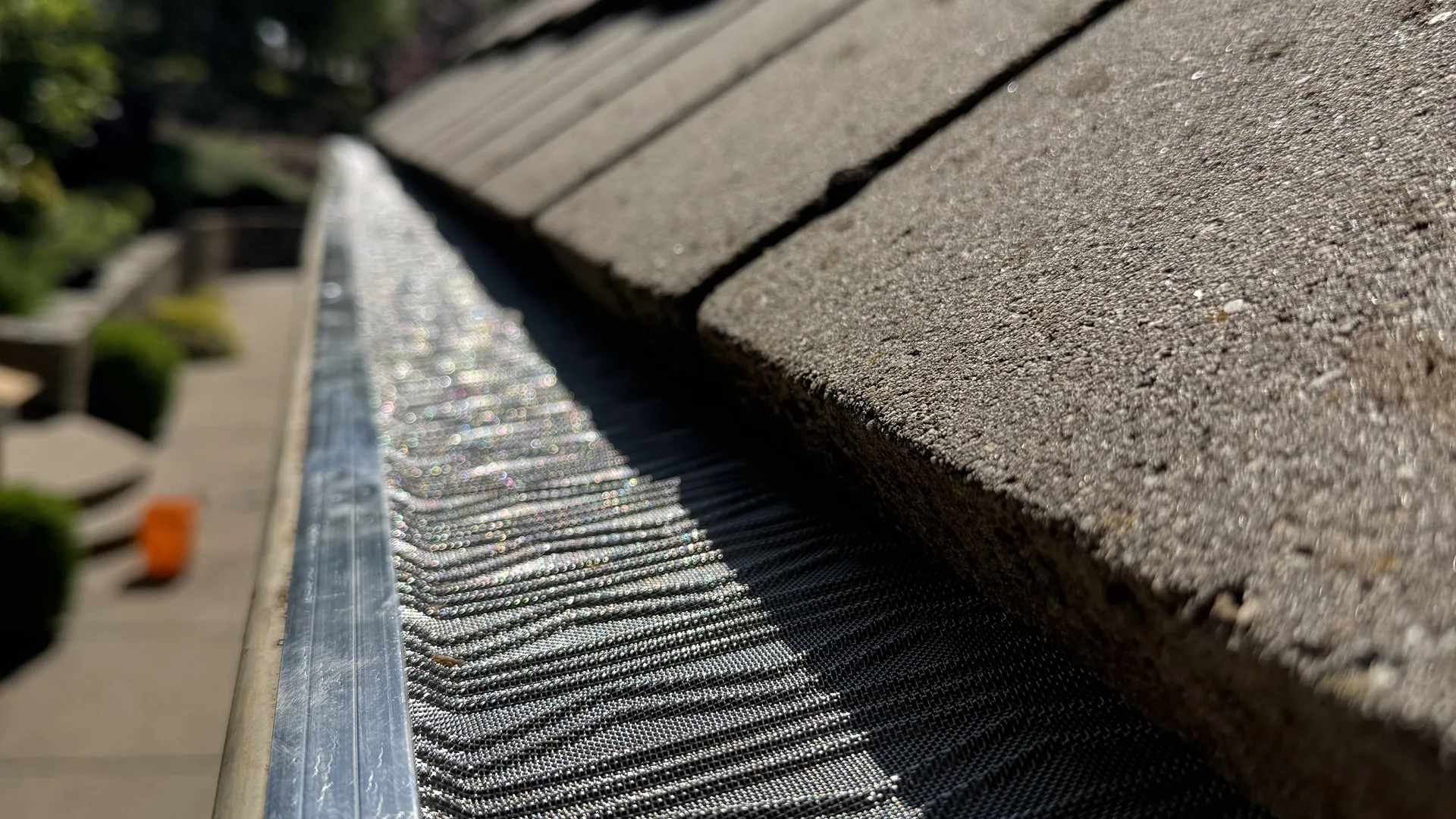
Close-up of a micro-mesh gutter guard fastened to a roofline

What a good gutter guard actually does

A quality micro-mesh guard blocks more than 95% of leaves and debris from entering the gutter in the first place, which is the main selling point. Less debris getting in means less time spent cleaning and less risk of a clog turning into an overflow during a storm.

That said, guards don't eliminate maintenance entirely. Fine grit, seed pods, and pine needles can still work their way through some guard types, and the top surface of the guard itself still needs an occasional rinse or brush-off. Anyone who installs guards expecting to never think about their gutters again is setting themselves up for disappointment.

Not all gutter guards are built the same

"Gutter guard" covers a few genuinely different products, and the differences matter more than most homeowners expect going in.

Guard typeHow it worksBest forWatch out for
Micro-meshFine stainless mesh blocks even small debris while water passes throughHeavy tree cover, pine needles, fine debrisNeeds occasional surface cleaning; higher upfront cost
Reverse-curve (surface tension)Water curves around a solid hood into the gutter, debris falls off the edgeHeavy leaf volume, open rooflinesCan struggle with very light rain and fine grit
Foam insertPorous foam fills the gutter channel, blocking debris at the surfaceBudget installs, DIY-friendlyCan hold moisture and sprout seedlings if not maintained
Brush/bottlebrushBristles sit in the gutter and block larger debrisLight debris loads, low budgetLeast effective against fine debris and pine needles

How installation actually works

Close-up of a micro-mesh gutter guard fastened to a Sacramento home's tile roofline

The install process differs by guard type, but a few things should hold true regardless of which style you choose.

  • 1The existing gutters are cleaned and inspected first, since a guard installed over a damaged or undersized gutter won't fix that underlying problem
  • 2The guard material is cut to match each run's exact length, corners included, rather than forced to fit with gaps
  • 3Fasteners secure the guard to both the gutter edge and the roofline, not just clipped onto the gutter lip alone
  • 4Downspouts are checked for flow after the install to confirm nothing is restricting water movement at the exit point
  • 5A final walk-through should show no visible gaps where debris could still work its way in around the guard's edges

What they cost, and what they save

Installed gutter guards typically run $9 to $15 per foot depending on the style and your roofline, and a well-installed micro-mesh system can last 15 to 20 years. Compare that against the ongoing cost of twice-yearly cleanings over the same span, plus the risk of the roughly $8,000 average repair bill when a clogged, unguarded gutter backs up and causes water damage.

For a lot of homeowners, especially anyone with real tree cover overhead, the guards pay for themselves in avoided cleanings and avoided risk well before the 15-year mark. This Old House has covered gutter guard performance across brands if you want a broader independent comparison beyond our own numbers.

See current gutter guard pricing for your roofline.

View pricing

A rough payback timeline

The exact payback period depends on how much you'd otherwise spend on cleanings, but here's a general way to think about it for a typical home with moderate tree cover.

Years since installWhat you've avoidedRunning value
Year 1 to 22 to 4 avoided cleaningsPartial offset of install cost
Year 3 to 5Continued avoided cleanings, plus reduced overflow risk during stormsApproaching full offset for most homes
Year 6 to 15Full cleaning savings continue, risk of clog-driven water damage stays lowNet positive for most tree-covered homes
Year 15+Guard may need replacement or refresh depending on material and wearReassess based on condition

Common gutter guard myths

A few misconceptions come up often enough that they're worth addressing directly.

  • "Guards mean I never have to touch my gutters again." Not true. They reduce maintenance, they don't eliminate it.
  • "All gutter guards perform about the same." Also not true. The table above shows how differently each type actually performs against fine debris like pine needles and grit.
  • "Guards will fix an undersized gutter system." They won't. A guard on a gutter that's too small for your roof's water volume will still overflow in a heavy storm.
  • "Once installed, guards never need inspection." Even a well-installed guard benefits from an occasional look to confirm nothing has lifted or shifted after a storm.

Skip the guesswork

A quick inspection tells you whether guards actually pay off on your roofline.

Talk to a technician

What guards don't do

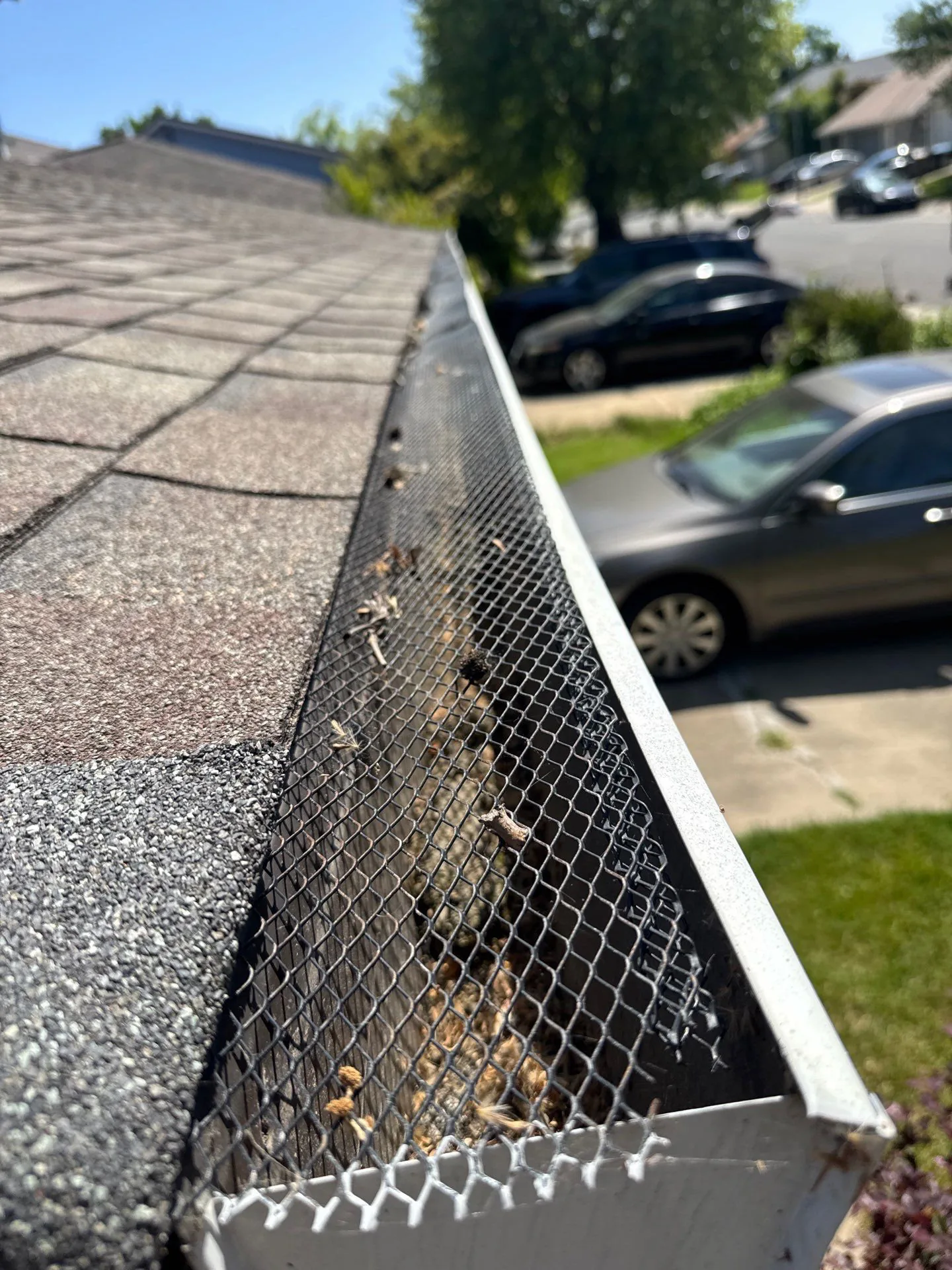
Leaves and seed pods resting on top of an installed micro-mesh gutter guard, kept out of the gutter itself

It's worth being direct about the limits, since overselling guards is how homeowners end up disappointed six months in. The same honesty applies to ladder-free cleaning tools: useful for light upkeep, but not a substitute for guards or a real cleaning once debris has already built up.

  • They don't make your gutters maintenance-free, just lower-maintenance
  • They don't fix an already-undersized gutter system; a guard on a gutter that's too small for your roof's water volume will still overflow
  • They don't stop ice-related issues in climates that get hard freezes (less of a factor in the Sacramento area, but worth knowing)
  • Cheap foam or brush guards can actually make cleaning harder later if they're not removed before debris builds up underneath them

When they're not worth it

If your home has little to no tree cover and gutters rarely collect more than dust, guards are a smaller win. They still help, but the payback period stretches out, and a simple annual cleaning might be the more practical choice. One thing worth planning around either way: standard clip-on holiday lights don't grip a guard surface the same way they grip a bare gutter edge, covered in Hanging Holiday Lights Without Wrecking Your Gutters.

The honest answer is that it depends on your specific roofline and trees, which is exactly what a free inspection is for. If you'd rather start with our gutter guards page to see current pricing and what's included, that's a good next step too.

Checking an installer's work before they leave

A gutter guard that isn't properly secured lifts in wind and lets debris right back in underneath it. A few things worth checking before you sign off on the finished job, the same kind of installer due diligence Bob Vila recommends across home improvement trades generally:

  • Is the mesh or hood fastened to both the gutter and the roofline, not just clipped on?
  • Are downspouts tested for flow after the install, not just the gutter trough?
  • Does the quote account for your actual roof pitch and debris type, or is it a flat per-foot number regardless of your situation?
  • Will the same crew photograph the finished install so you have a record of what was done?
  • Are corners and transitions sealed as tightly as the straight runs, or do they look like an afterthought?

Maintaining guards once they're installed

The low-maintenance promise of gutter guards only holds up if the small amount of remaining maintenance actually happens. Skipping it entirely tends to produce exactly the kind of disappointment that gives guards a bad reputation among homeowners who installed them expecting zero upkeep.

  • An annual visual check from the ground, or a quick walk of the roofline, to confirm nothing has shifted or lifted after storms
  • A light rinse or brush-off of the mesh surface once a year for homes under moderate tree cover
  • A downspout flow check every year or two, since even a well-guarded system can develop a clog deeper in the downspout itself
  • Prompt attention to any section where debris visibly starts piling on top of the guard rather than shedding off

How guards interact with the rest of your gutter system

Guards are only as good as the gutter system underneath them. Installing a high-end micro-mesh guard on a gutter that's already sagging, undersized for the roof's water volume, or has a seam ready to fail just adds cost without solving the actual problem. That's why a worthwhile guard quote usually starts with a look at the condition of the existing gutters, not just a measurement of linear footage.

This also explains why guards are frequently bundled with a repair or a seamless upgrade rather than sold as a completely standalone product. If the gutters themselves need attention first, addressing that at the same time as the guard install saves a second mobilization and a second round of labor costs.

What a bad gutter guard install looks like

Most guard complaints we hear about trace back to installation shortcuts rather than the product itself. A few patterns worth watching for if you're evaluating a past install, or vetting a quote for a new one:

  • Guards that visibly flex or lift at the edges in moderate wind, a sign of insufficient fastening
  • Gaps at corners or transitions where the guard material wasn't properly cut and sealed to match the gutter's shape
  • Debris already visible on top of a recently installed guard, which can mean the mesh size doesn't match what's actually falling from nearby trees
  • No documentation or photos from the original install, making it hard to know what was actually done versus promised

Comparing guards to doing nothing at all

It's worth stating the baseline comparison plainly: the alternative to guards isn't some other maintenance-free option, it's an unguarded gutter that needs full manual cleaning on the frequency schedule covered in How Often Should You Really Clean Your Gutters?. For a home under heavy tree cover needing 3 or more cleanings a year, guards are competing against a real, recurring cost and a real, recurring overflow risk, not against a gutter that otherwise takes care of itself.

Ready to stop cleaning gutters 3 times a year? Get your guard quote.

Get a free quote

Frequently asked questions

Common questions we get before and after a gutter guard install.

  • Will guards work on an existing gutter system, or do I need new gutters first? In most cases guards install directly onto your existing gutters, as long as the gutters themselves are in good condition.
  • Do guards void my roof warranty? Properly installed guards shouldn't affect shingle warranties, since they attach to the gutter and fascia, not the roof deck. If you're unsure, your roofing manufacturer's documentation is the definitive source.
  • How often do micro-mesh guards still need a rinse? Roughly once a year for most homes, far less than the 2 to 3 cleanings a year an unguarded system under heavy tree cover would need.
  • Can I install guards myself? Foam and brush inserts are reasonably DIY-friendly. Micro-mesh and reverse-curve systems generally benefit from professional installation to get the fastening and sealing right.
  • Do guards work the same on a steep roof as a shallow one? Reverse-curve guards rely partly on water's natural curve and can perform differently across pitch extremes, which is worth discussing during an inspection for an unusually steep or shallow roof.
  • If I already have gutter guards and I'm still seeing overflow, what's going on? That usually points to either an undersized gutter system for your roof's water volume, or a clog that's formed in the downspout itself below where the guard protects. Both are worth a direct inspection rather than a guess.

Free inspection, firm price

Ready to get this handled instead of just reading about it?